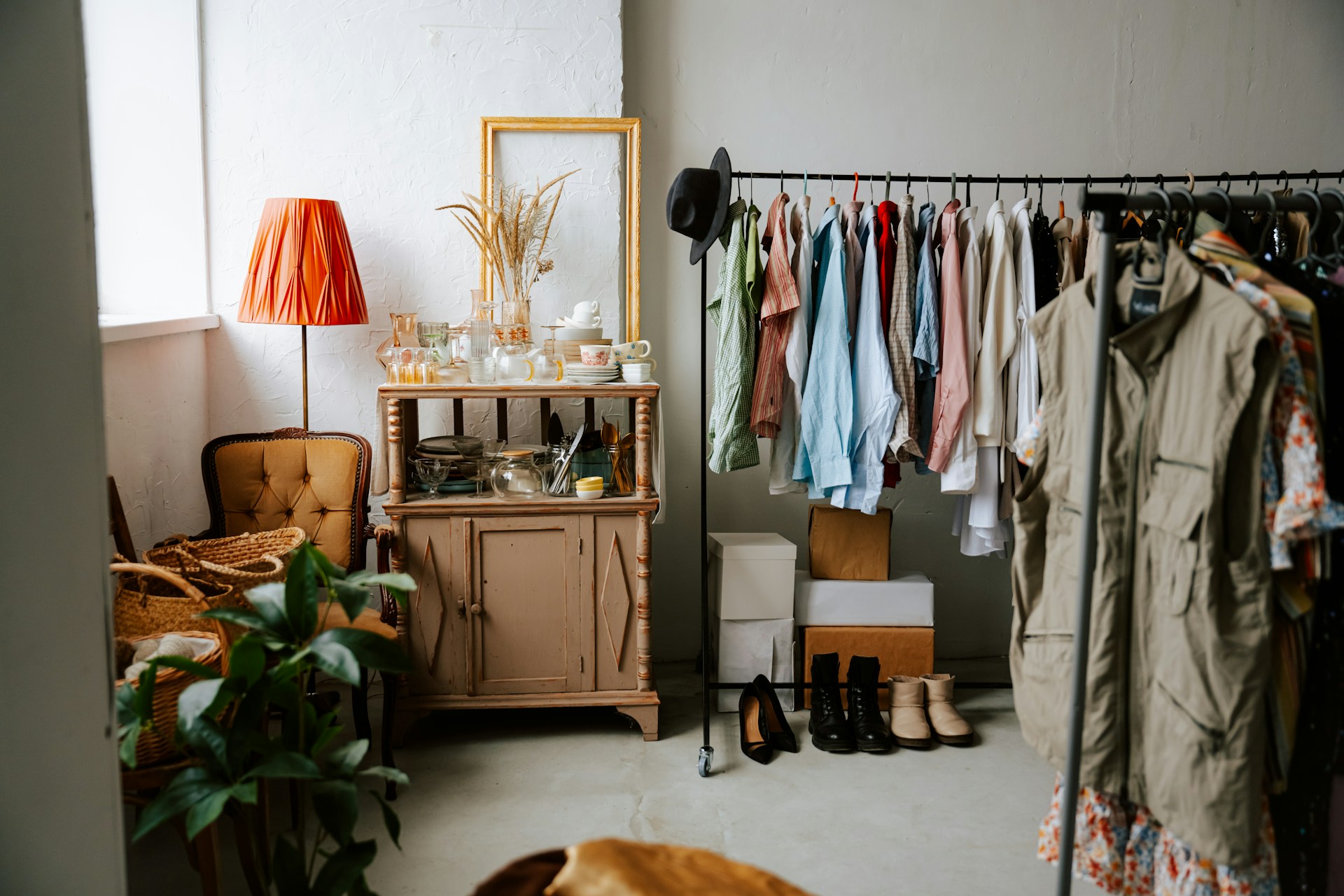
The Genius’ One In, One Out’ Rule for a Clutter-Free Home
Table of Contents
Ever feel like your home is shrinking? It’s like every new item finds a way to take up space, and before you know it, stuff piles up.😒
How do you stop that clutter? Simple – the ‘One In, One Out‘ rule…
What Is the ‘One In, One Out’ Rule?
Easy – you bring a new item home and let go of one. Bought a new sweater or a stuffed puppy? Immediately donate or toss an old one.
It keeps clutter under control and stops your space from overflowing.🤓
Why This Rule Works So Well
This method keeps the clutter in check without massive clean-outs.
It forces mindful shopping and stops impulse buys.
You’re constantly cycling through your belongings – so, it’s pretty obvious that you’ll maintain a balance, preventing buildup.
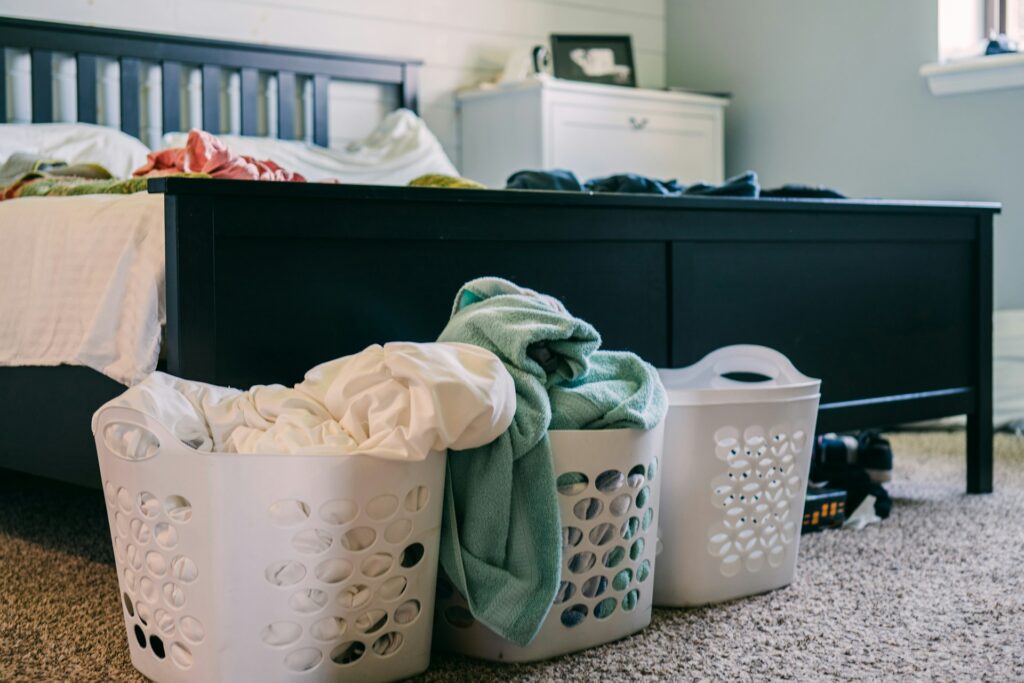
Clutters can increase stress levels and decrease productivity, while a well-organized home boosts focus and makes daily routines smoother.
Which one would you rather live in?
How to Start Using It Today
Pick a Starting Point – Clothes, kitchen tools, or kids’ toys? Choose one category to begin with.
- Set Clear Rules – New book? Donate an old one. New candle? Toss an empty jar. No cheating!😉
- Use a Donation Box – Keep a designated box for things to give away. When it’s full, drop it off at a charity.❤️
- Track Your Progress – Take before-and-after pictures to stay motivated. 💪
- Create a System – Set up a routine where each new purchase automatically removes an older item.
- Assess Every Month – Go through rooms and check if you consistently follow the rule. 🔄
Where to Apply This Rule
👗Clothes & Shoes: The average American throws away 81 pounds of clothing yearly. Keeping this in check reduces waste and keeps your closet neat.
🍳Kitchen Gadgets & Tools: Love buying kitchen tools? If a new air fryer comes in, something else should go.
Overcrowded kitchen drawers make cooking harder. Stick to essentials and keep only what you use regularly.
📚 Books & Magazines: Books stack up quickly, and shelves get packed fast. If your bookshelf is overflowing, it’s time to part with books you won’t reread.
Local libraries and shelters love donations! Plus, digital versions are an excellent alternative for saving space.
🧸 Kids’ Toys: Children outgrow toys quickly. Teach them early: an old one must leave if a new toy enters.
It helps them learn organization and generosity. A clutter-free play area = easier cleanup and a more peaceful home!
🐶Pet Supplies: Pet parents know how fast supplies add up. A new leash? Pass on the old one to an animal shelter.
Too many pet beds? Keep the favorites and donate the extras.
🏡Home Decor: Love decorating? Keep things fresh without overloading your space.
If you buy a new throw pillow, replace one that no longer fits your style. Rotating decor also makes your home feel new without excessive shopping.
How to Make It a Habit
🛍️Use a Shopping Rule – Before buying, ask: “What will I replace?” If there’s no answer, reconsider the purchase.
⏰Set Reminders – A sticky note on your closet or fridge helps keep you accountable.
👨👩👧👦 Involve the Family – Make it a fun challenge for kids and partners. Reward them for sticking to the rule!
🧘Create a Clutter-Free Mindset – Understand that space is valuable. Only keep what truly serves you.
🎯Embrace Minimalism – You don’t need 15 pairs of jeans or 20 mugs. Stick to what you love and use.
Common Challenges & Fixes
| “I might need this later!” | If you haven’t used it in a year, you don’t need it. Let it go.🎈 |
| “What if I regret letting go?” | Keep a ‘maybe box’ for uncertain items. If you don’t reach for them in three months, donate them.🎁 |
| “But it was expensive!” | Keeping something unused won’t bring back the money. Sell it and put the cash to use better. 💰 |
| “It has sentimental value!” | Take photos of sentimental items before parting with them. Keep what truly matters, but avoid hoarding.💖 |
The Surprising Benefits
- Less stress – A tidy home means a clear mind.
- More savings – Impulse purchases drop when you know something must go.
- Easier cleaning – Fewer items = less dusting and organizing.
- Better organization – Everything has a place, making it easier to find what you need.
- Sustainability – Less waste means a greener planet.
The Psychological Impact of Decluttering
Cluttered spaces can increase cortisol levels, making people feel overwhelmed. A clutter-free environment contributes to a sense of calm and enhances well-being.
54% of Americans feel overwhelmed by clutter, and 78% don’t know what to do with it.
The ‘One In, One Out’ rule is a structured way to manage this chaos.
Simple Tweaks to Make It Even More Effective
📱 Use Digital Alternatives – Opt for e-books instead of physical ones when possible.
🍂 Declutter Seasonally – Use the start of a new season as a reminder to review what you own.
🎁 Apply It to Gifting – Encourage experience-based gifts instead of physical items to reduce clutter.
📦 Use Storage Wisely – Keep a small storage box per room to manage excess items before they pile up.
🔄 Join a Swap Group – Exchange items instead of buying new ones to keep your balance in check.
How This Rule Saves You Money
Fewer impulse buys mean a healthier budget. As per reports, the average household spends $18,000 annually on non-essential goods.
Being mindful about purchases helps redirect that money toward meaningful experiences.
Ready to Try It?
Decluttering doesn’t have to be overwhelming! The ‘One In, One Out’ rule makes it easy and sustainable.
Start small, stay consistent, and enjoy a clutter-free home. 🏡✨ Less mess, less stress! 💡