The 10-Minute Decluttering Method That Changes Everything: A Simple Way to Transform Your Space
Table of Contents
Are you tired of walking into a messy home every day?
Trust me, I get it. Ten minutes is all you need to turn chaos into calm.
No fancy systems, no expensive containers, just a simple method that actually works.
You might think “Another organizing article? Really?”
But stick with me.
This isn’t about buying more stuff or following complicated rules. It’s about making small changes that add up to big results.
Why Ten Minutes Makes All the Difference
The magic ✨ of this method lies in its simplicity. When you hear “decluttering,” you probably picture spending entire weekends sorting through stuff.
But that’s exactly why most people never start – it feels too overwhelming.
Ten minutes feels different. It’s the length of your morning coffee break ☕
The time you spend checking social media before bed. Small enough to not feel scary, but long enough to make real progress.
The Basic Rules of the 10-Minute Method
Here’s what makes this method different from everything else you’ve tried:
- Set a timer for exactly 10 minutes
- Focus on one small area
- Make quick decisions
- Stop when the timer rings (This is crucial!)
The best part? You don’t need any special equipment. A timer on your phone and three boxes or bags 🛍️ labeled “Keep,” “Donate,” and “Trash” are all you need to get started.
How to Make the Most of Your 10 Minutes
Let’s break this down into super practical steps:
Step 1: Pick Your Spot

Choose a small, defined area. Think drawer-sized, not room-sized.
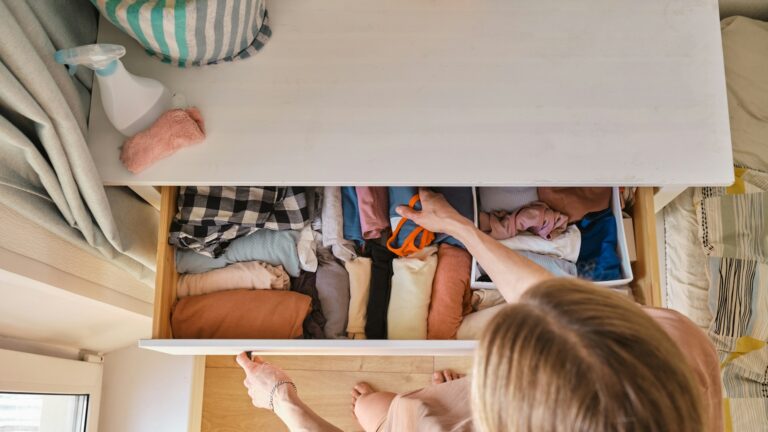
The top drawer of your dresser. The kitchen junk drawer. That corner of the counter that always collects random stuff.
The 🔑 key is to pick spots you can actually finish in 10 minutes. This builds momentum and gives you that “I did it!” feeling that makes you want to keep going.
Step 2: The Three-Box System
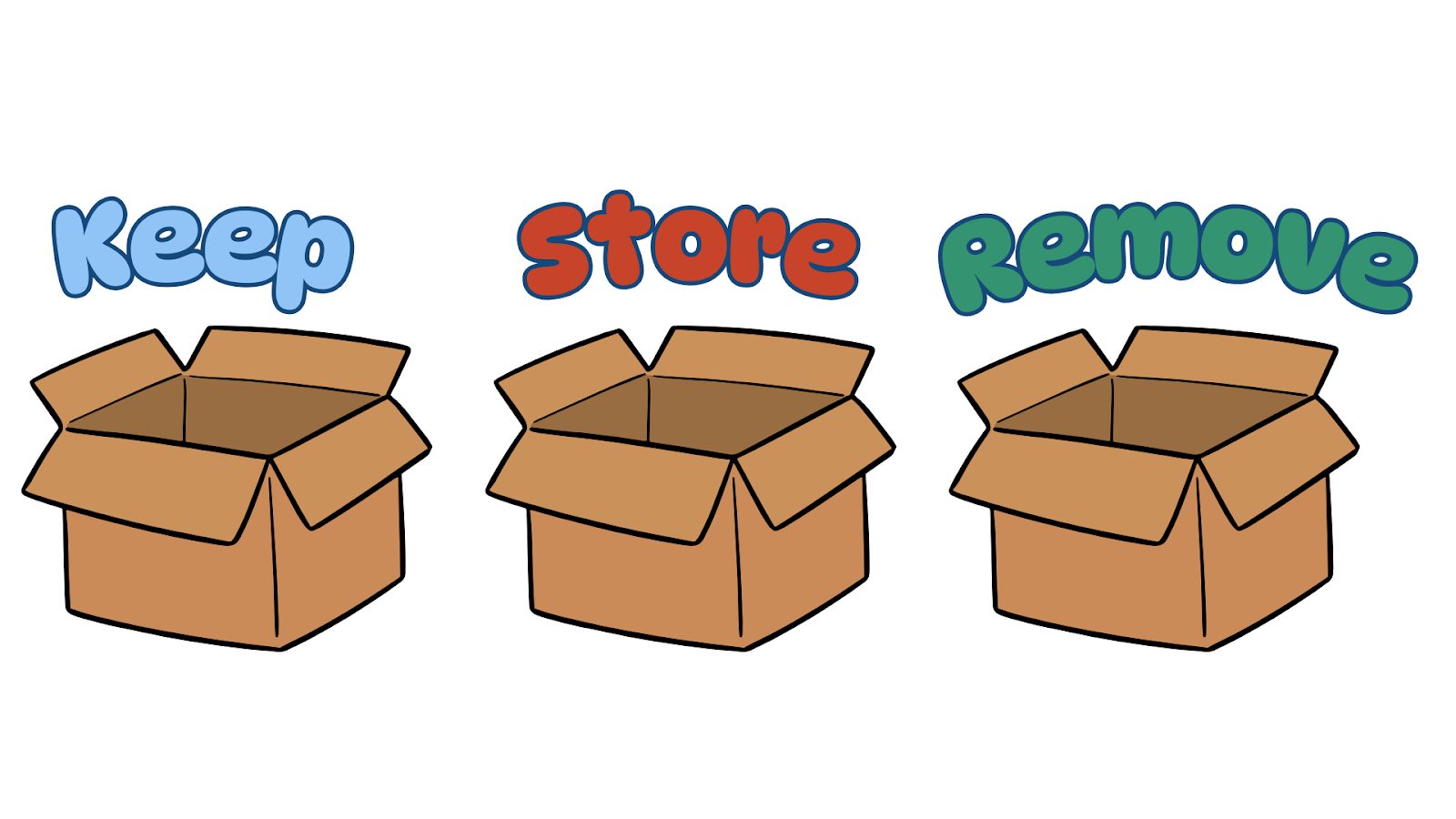
Before you start your timer, grab your three containers:
📦 Keep Box: For items that belong in this space
📦 Donate Box: For things in good condition that someone else could use
📦 Trash Box: For items that need to go (be honest here!)
A cardboard box works fine for the “keep” items. Reusable grocery bags are perfect for donations. And any trash bag will do for, well, trash.
Step 3: The Quick-Decision Method

Now for the actual decluttering. Here’s where most people get stuck, but we’re going to keep it simple. For each item, ask:
- Have I used this in the last year?
- Would I buy this again today?
- Does this make my life better?
One “no” means it goes.
❌ No overthinking allowed.
This isn’t about making perfect decisions – it’s about making progress.
Step 4: The Power of Categories
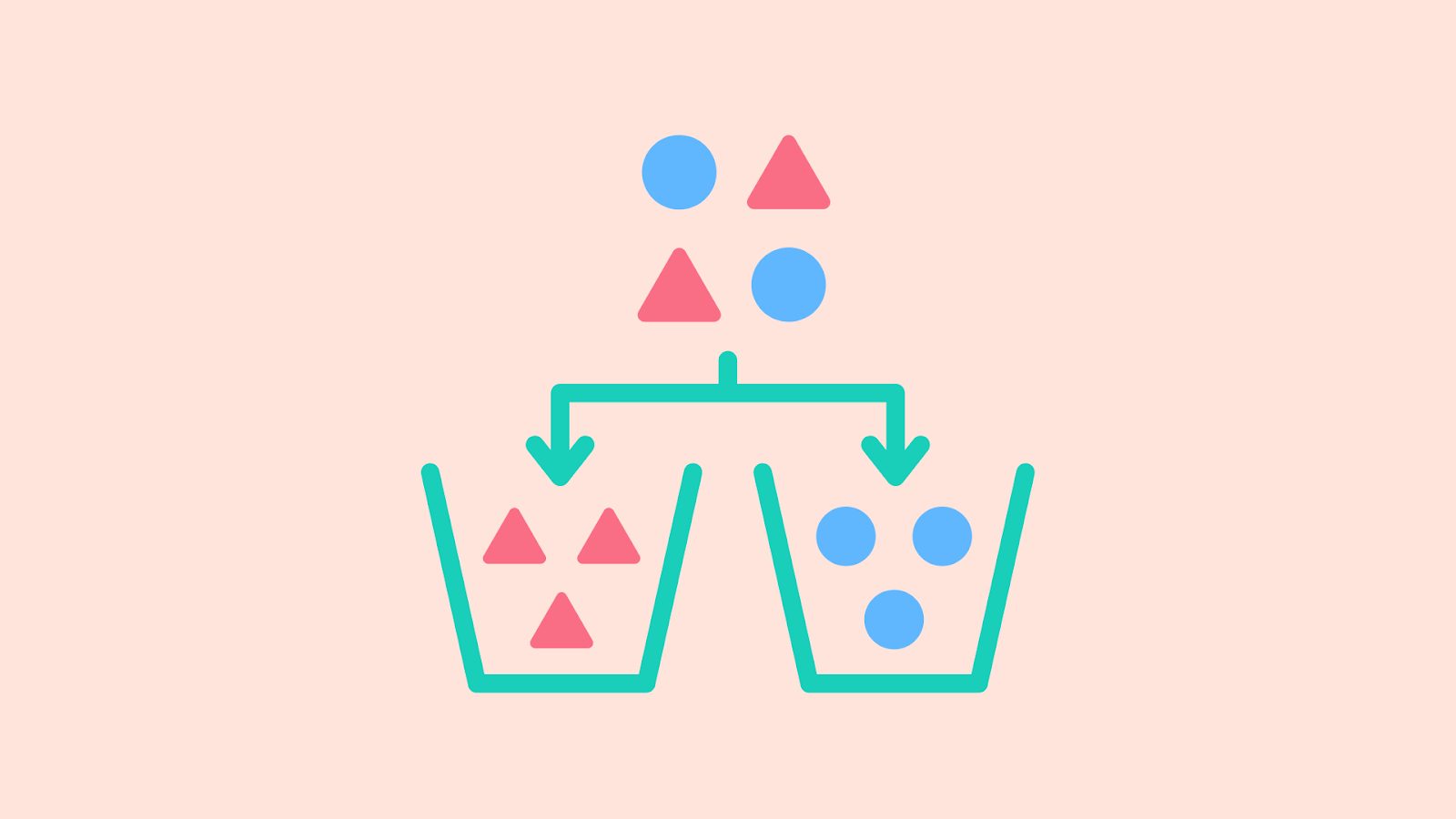
Group similar items as you go.
- In the kitchen, keep all measuring tools together.
- In the bathroom, gather all hair products in one spot.
This makes everything easier to find and helps you spot duplicates.
❗ Common Mistakes to Avoid
- Starting Too Big: Starting with your entire closet is like trying to run a marathon without training. Begin with one drawer, one shelf, or one corner.
- Not Having a Plan for Discarded Items: Keep a donation box somewhere convenient. When it’s full, put it straight in your car. Schedule regular trips to your local donation center.
- Trying to Organize Before Decluttering: You can’t organize clutter. Always declutter first, then organize what’s left.
- Getting Distracted by Memories: Set aside photos and memorabilia for another time. These items need their own dedicated session when you can give them proper attention.
Making It a Daily Habit
The real power of this method comes from consistency.
Here’s how to make it stick:
- Pick a Trigger: Link your 10-minute session to something you already do daily. Right after breakfast. While your coffee brews ☕ Before your evening shower.
- Track Your Progress: Use this simple habit tracker to mark off your decluttering sessions. Seeing those checkmarks ✔️ adds motivation.
- 🏆 Celebrate Small Wins: Every drawer, shelf, or corner you tackle is progress. Take before and after photos to remind yourself how far you’ve come.
Maintaining Your Progress
The 10-minute method isn’t just about decluttering – it’s about changing how you think about your stuff. Here’s how to keep the momentum going:
The One-In-One-Out Rule

When you bring something new home, something old needs to leave. This simple rule prevents clutter from building up again.
Regular Reset Sessions

Take 10 minutes at the end of each day to reset your main living spaces. Put things back where they belong. Clear surfaces.
The 90/90 Rule
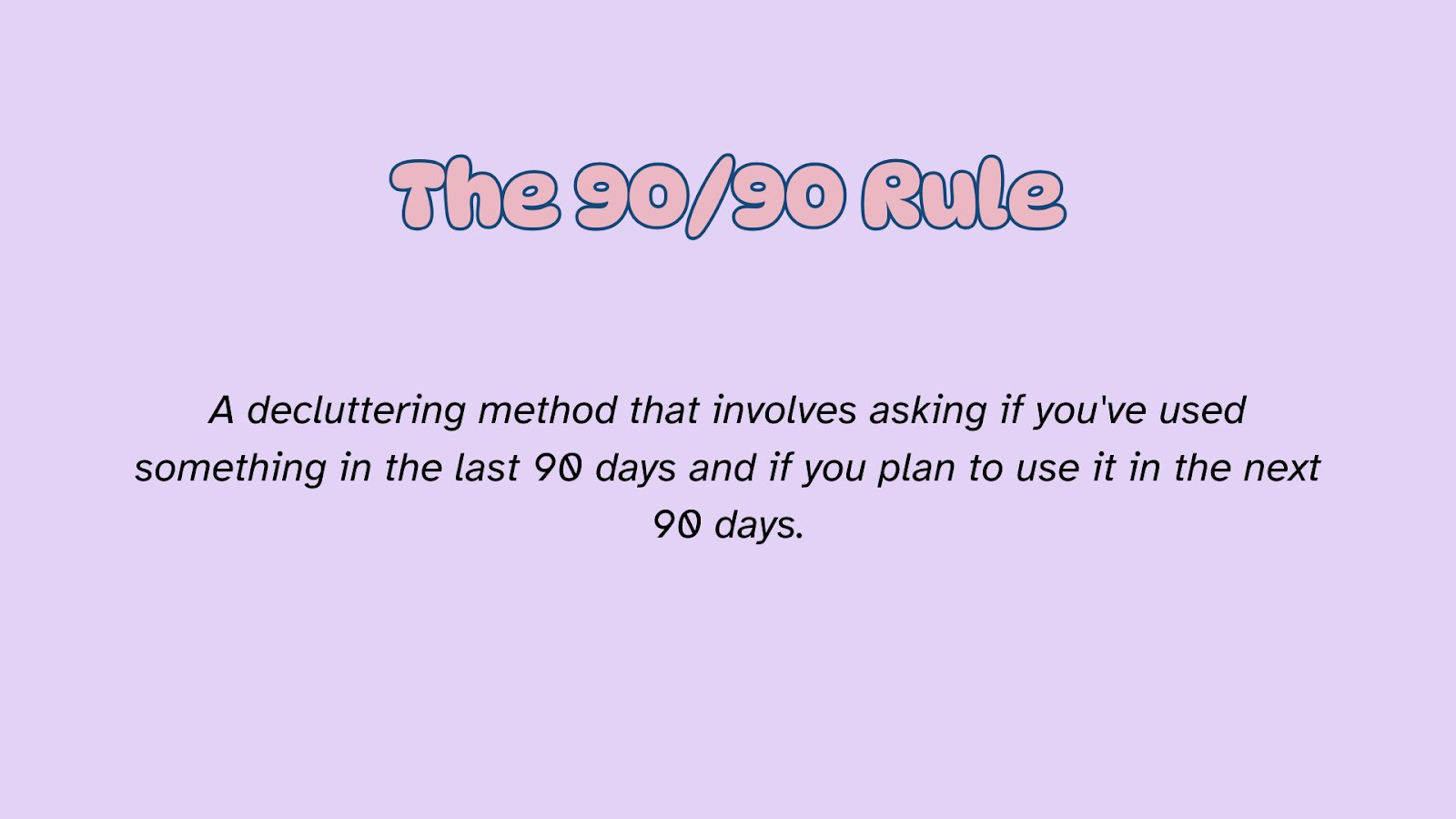
If you haven’t used something in the last 90 days and don’t plan to use it in the next 90, it’s probably safe to let it go.
Dealing with Common Challenges
“But I Might Need It Someday”
Ask yourself: If I needed this item, would it be hard to replace? What’s the worst that could happen if I didn’t have it? 🤔
Usually, the cost of storing and maintaining “just in case” items outweighs their potential future value.
Sentimental Items
These deserve special treatment. Create a “memory box” with strict size limits. Keep only the most meaningful items that truly spark joy ✨ when you see them.
Shared Spaces
When dealing with family areas, focus only on your own items during your 10-minute sessions. Lead by example, and others might follow.
Paper Clutter 📃
Paper can be especially overwhelming. Use your 10-minute sessions to sort papers into three categories:
- Must Keep (tax documents, contracts)
- Scan and Shred (items you need digitally)
- Recycle (everything else)
Tools That Help
Keep it simple with basic supplies:
- A basic timer (your phone works perfectly)
- Three boxes or bags for sorting
- This straightforward habit tracker
- Clear containers for organizing what you keep
The 10-Minute Promise
This method works because it’s sustainable. It fits into real life. It doesn’t require perfect organizational skills or endless free time.
Just 10 minutes a day, consistently applied, can transform your space and your life.
Remember:
- Start small
- Stay consistent
- Celebrate progress
- Keep it simple
Ten minutes. One space. Real progress. That’s all it takes to start transforming your home from cluttered to calm, one drawer, shelf, or corner at a time.