The Genius Labeling Hack That Keeps Your Home Tidy
Table of Contents
There’s hardly anything more overwhelming than a cluttered home. You end up wasting time searching for everyday items, and the misplaced ones make cleaning rocket science. 🥵
Did you know there’s an excellent way to eliminate all that guesswork – labels?
Yes, just by putting labels, you can avoid rummaging through drawers, messy pantries, and overstuffed closets. When items are clearly marked, keeping things tidy becomes second nature…
Why Labeling Works
Labels are visual reminders. They tell you where things go, making it easier to put them back. In fact, people are more likely to stay organized when storage areas are labeled.
Consequently, spaces become calmer and more functional.👌
Where Labeling Makes the Biggest Impact

In a word, anywhere! Wherever clutters build up, labels help. Here’s a breakdown👇
1. The Pantry
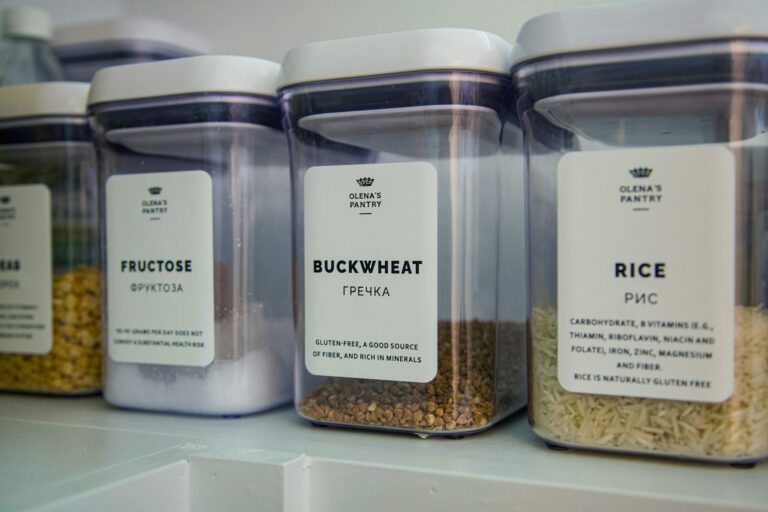
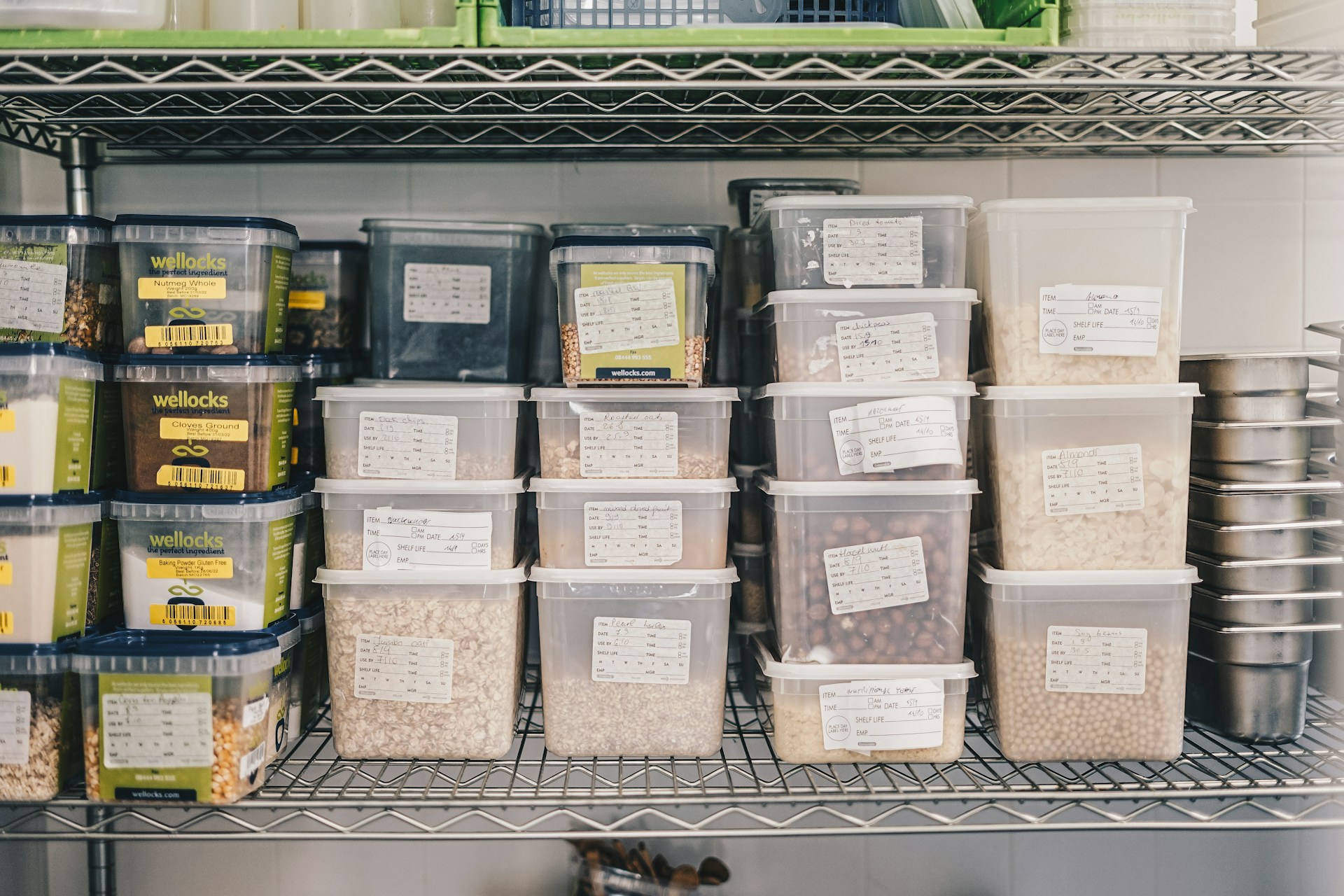
A disorganized pantry wastes food and money. Labels help you find ingredients faster and prevent overbuying.
- Label dry goods like flour, sugar, rice, and pasta in clear containers.
- Mark shelves with categories like snacks, breakfast items, or canned goods.
- Use expiration date labels to ensure nothing gets forgotten.
2. The Refrigerator
Rotten birthday cake, dried-up beans, lifeless apples, expired loaves, and spoiled meat – if you are curious to learn what ‘hell’ looks like, just check your messy fridge. 😕
But you can easily avoid this. Putting a few labels on shelves and bins can help keep everything visible, hence accessible. And when you use items on time, there is hardly any room for waste.
Here’s what you need to do:
- Use labels for categories like dairy, meats, leftovers, and snacks.
- Date-label leftovers to track freshness.
- Mark condiment bins to avoid duplicate purchases.
3. Storage Bins and Containers
When you don’t have a clear system, closets and storage areas turn into dumping grounds. Labeling can significantly help manage this. Keep:
- Seasonal storage bins for clothes, holiday decor, and extra bedding.
- Toy bins labeled by type—legos, dolls, art supplies.
- Garage storage for tools, car accessories, and sports gear.
4. Home Office and Workspaces
You really don’t need the daily dose of 30-minute motivational lectures if you have an organized, inviting desk. And that’s pretty achievable: 💡
- Sort office supplies into labeled bins for pens, paper clips, and chargers.
- Use a filing system with labeled folders for bills, receipts, and important documents.
- Label charging stations to avoid tangled cords and missing devices.
*Note: A tidy workspace reduces stress and improves focus.
5. The Bathroom
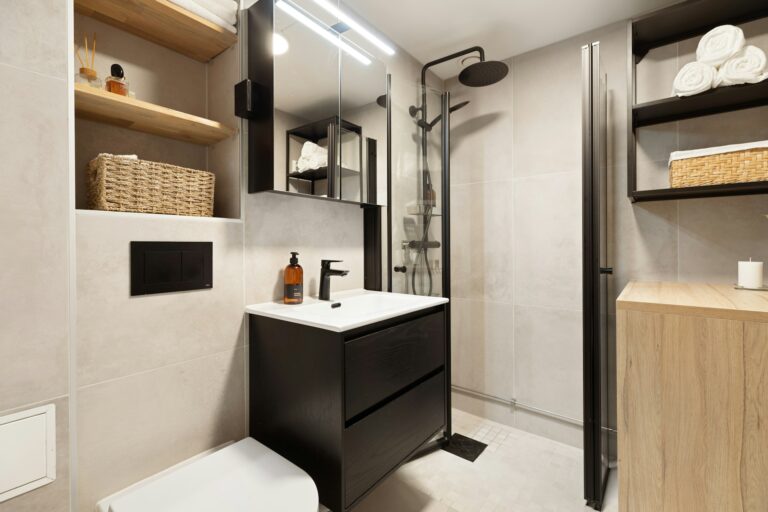
Bathrooms get messy fast. Labeling keeps products where they belong.
- Mark containers for skincare, haircare, and first-aid supplies.
- Use waterproof labels inside cabinets and drawers.
- Label cleaning supplies under the sink for easy access.
6. Kids’ Spaces
An organized kids’ space may sound oxymoronic. But did you know kids love organized and structured spaces – those help their creative juices flow?
Let your bundle of joy learn the art of organization:
- Label toy bins with pictures for younger kids.
- Use name tags on backpacks, lunch boxes, and water bottles.
- Mark clothing drawers so kids can dress themselves easily.
✅ Labeled spaces help kids develop independence while keeping things tidy.
7. The Laundry Room
A chaotic laundry area? Well, it’s enough to slow down routines. How about simplifying sorting and storage with smart labels?
- Mark baskets for whites, darks, and delicates.
- Use labels for cleaning supplies like detergent and stain removers.
- Tag laundry hampers for each family member.
Added perk: A labeled laundry space makes wash day stress-free.🧺
Choosing the Right Labels
Indeed, labeling is an easy job, but here’s the catch – not all labels work for every space. Picking the right type keeps your system optimally functional.🏷️
- Chalkboard labels – Great for containers that change contents often.
- Printed labels – Clean, professional look for pantries and offices.
- Dry-erase labels – Perfect for tracking expiration dates or to-do lists.
- Vinyl decals – Waterproof and durable for bathrooms and laundry rooms.
- Picture labels – Ideal for kids’ spaces and toy bins.
How to Start Labeling Your Home
The best way to build a labeling habit is to start small.
- Pick one problem area. A messy pantry, cluttered fridge, or disorganized closet is a great starting point.
- Sort and declutter. Remove expired items, duplicates, and things you no longer need.
- Group similar items together. Keep items in the same area for easier access.
- Choose labels that fit your space. Make sure they’re clear, readable, and durable.
- Stick to the system. Commit to putting things back where they belong.
Once labeling becomes part of daily life, staying organized feels effortless.
Getting to the Bottom of the Matter
So far, the excellent organization that comes from labeling has been highlighted. However, that’s not the only perk of labeling.
Average Americans spend 2.5 days per year looking for misplaced belongings, and labeling can help save that time.
- Prevent clutter from building up
- Make it easier to find and return items
- Encourage household members to follow the system
A well-labeled home saves time, energy, and frustration.🙂
Labeling as a Long-Term Solution
Once you start labeling and practicing it consistently, it gradually becomes a habit. And this habit goes a long way:
- Monthly decluttering keeps labeled areas fresh and functional.
- Updating labels when reorganizing maintains efficiency.
- Teaching kids and family members, the system ensures it sticks.
Ready to Try This Genius Hack?
Now that you know how helpful labeling could turn out to be, won’t you give it a try? Remember, this little habit creates structure, reduces mess, and saves time every day.
Just pick one area to label today and experience the change. The hack is genius! 😎