7 Easy Tips for Organizing a Kids Room That Actually Lasts: A Mom’s Guide to Ending the Mess
Table of Contents
Looking for ways to keep your kid’s room organized that won’t fall apart in two days? 🤔
If you’re tired of stepping on Legos at 2 AM or finding stuffed animals scattered across every surface, you’re not alone.
As a mom living in a NYC apartment with two kids and two dogs, I know the struggle of keeping spaces neat when square footage is limited.
The good news? You can create an organized kid’s room that actually stays that way. No fancy systems needed – just practical solutions that work in real life.
Let’s get right into the tips that will transform your child’s room from chaos to calm (and keep it that way).
1. The “Everything Has a Home” Rule

The foundation of lasting organization is simple: every single item needs its own spot.
Think about it – when things don’t have a designated place, they end up anywhere and everywhere. That’s how you get random toys under the bed and books piled in corners 🥴
Here’s how to make this rule work:
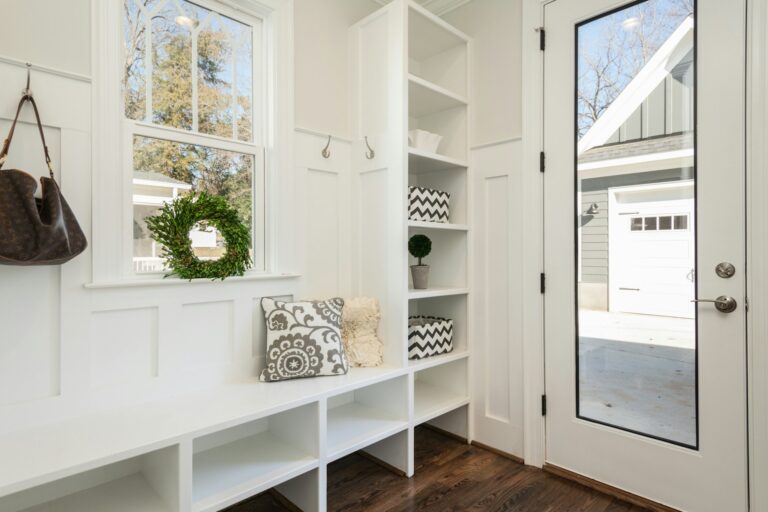
Start with zones in the room – sleeping area, play area, study area, and storage area. Each zone should only contain items that belong there.
I recommend these clear storage bins with handles that make it super easy for kids to grab what they need and (more importantly) put things back.
Label everything clearly. For younger kids who can’t read yet, use picture labels. You can get these adorable picture labels that stick right onto bins and shelves.
Pro tip: Keep similar items together. All the art supplies 🎨 go in one spot, building toys in another, and stuffed animals 🧸 in their own dedicated space.
The key is making the system obvious – even a tired kid should be able to find where things go without thinking too hard about it.
2. The “Less is More” Method That Actually Works
I know what you’re thinking – another person telling you to get rid of stuff. But hear me out.
Having fewer things doesn’t mean getting rid of favorites or special toys. It means being smart about what stays in rotation.
Here’s the strategy that worked wonders in our home:
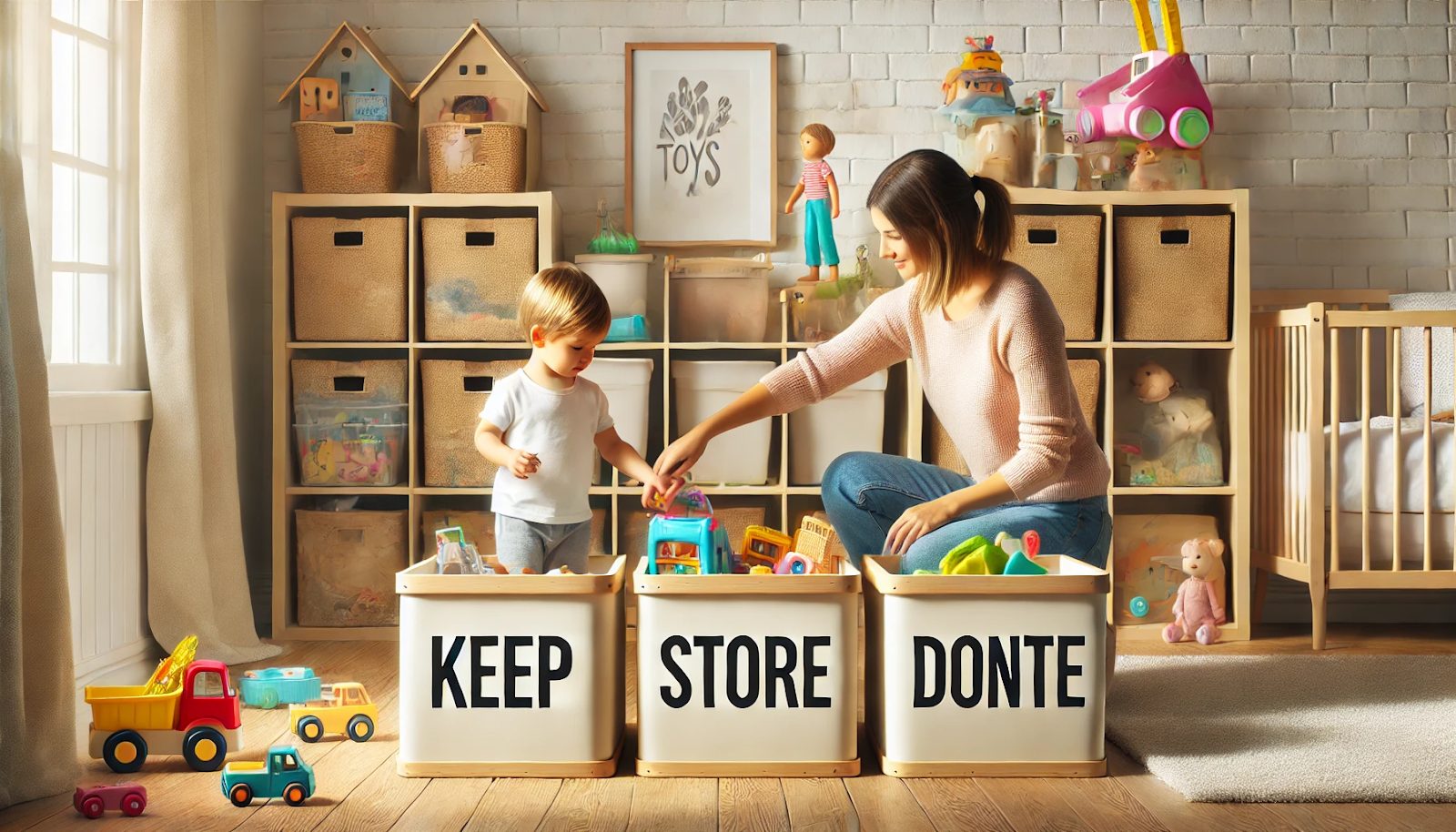
Start with three bins: keep, store, donate.
🗑️ The keep bin is for everyday favorites that get regular use.
🗑️ The store bin is for toys to rotate in later (more on that in a minute).
🗑️ The donate bin is for items your child has outgrown.
Get your kids involved in the sorting process. Make it fun by turning it into a game – “Let’s find five toys you played with this week!” 🎮
The magic happens when you create a toy rotation system. Every month or so, swap out some toys from storage with current ones.
It’s like getting new toys without spending money, and it keeps the room from getting overwhelmed with stuff 🙌🏻
3. The Vertical Space Solution

When floor space is limited (and when isn’t it?), going up is your best friend.
Most people don’t use their vertical space well, but it’s a goldmine for organization 🤑
Here’s how to make the most of it:
Install floating shelves at different heights. Lower ones for items your kids need to reach, higher ones for display or less-used items.
Use over-the-door organizers for small items like hair accessories, action figures, or art supplies. They take up zero floor space but add tons of storage.
Wall-mounted book rails show off book covers and make it easy for kids to pick (and put away) their favorites. This set of clear acrylic book displays has been fantastic for our bedtime story collection 📚
Consider a pegboard wall system for flexibility. You can move hooks and small shelves around as needs change, and kids love being able to arrange their own display space.
4. The “Make It Easy” Principle

The easier it is to keep things organized, the more likely it will actually stay that way.
Think about it from a kid’s perspective – if putting something away takes three steps and both hands, it’s probably going to end up on the floor instead 😐
Here are some game-changing easy-access solutions:
Open bins instead of lidded boxes for everyday items. No struggling with covers means things actually make it into the bin 🗑️
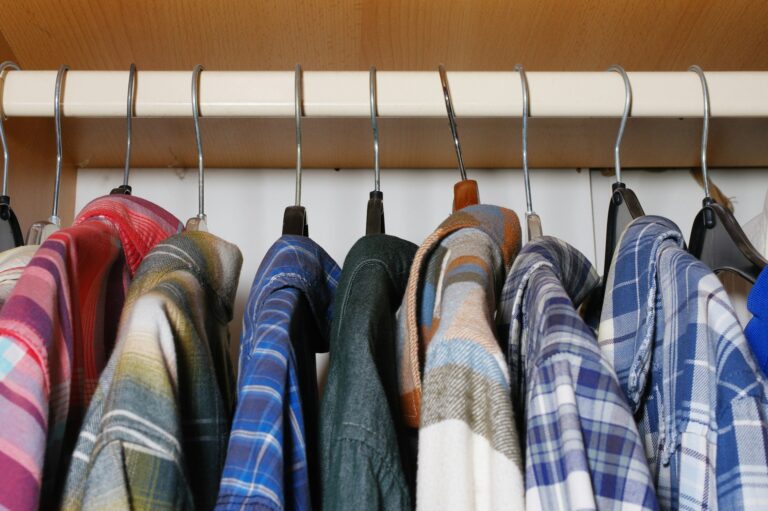
Install hooks at kid height for backpacks, jackets, and dress-up clothes. These colorful wall hooks are sturdy enough for heavy bags but look fun in a kid’s room 🎒
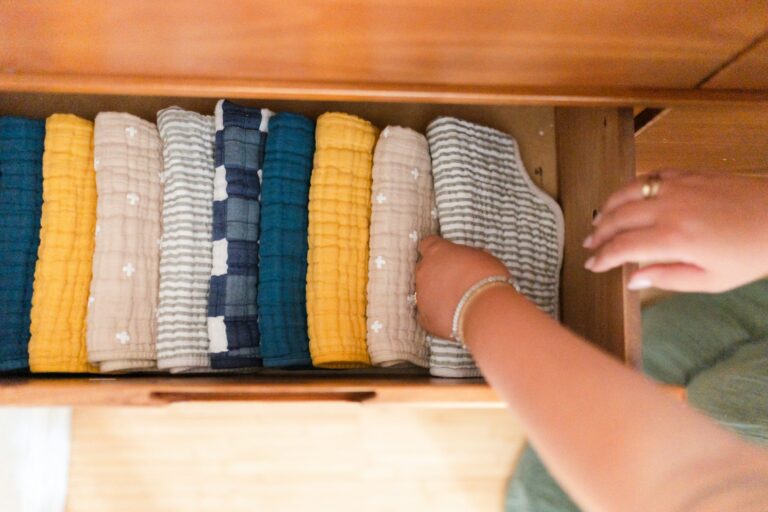
Use drawer organizers to keep small items sorted. When everything has a compartment, it’s easier to put things back where they belong.
This set of adjustable drawer dividers has been perfect for organizing everything from socks to small toys.
Create a quick-clean basket for end-of-day pickup. When bedtime is approaching, kids can do one quick sweep of the room and toss loose items in the basket to sort later.
5. The Color-Coding Strategy

Color-coding might sound complicated, but it’s actually one of the simplest ways to keep things organized – especially for kids who are visual learners.
Here’s why it works so well:
Colors are easier to remember than categories. “The blue bin is for Legos” clicks faster than “the building toys bin.”
You can use colors to create zones in the room. Maybe art supplies 🎨 go in red containers, books 📖 get yellow shelves, and toys 🧸 live in green bins.
These rainbow storage cubes have been fantastic for our organization system. Each color holds different types of items, and the kids never get confused about where things go 🌈
Pro tip: Match the color of storage containers to the items inside when possible. Blue bins for water toys, green for outdoor play items, etc.
6. The Maintenance Schedule That Sticks

Even the best organization system needs regular maintenance. The trick is making it so simple that it actually gets done.
Here’s a maintenance plan that won’t make you or your kids crazy:
Daily quick pickup – 5 minutes before bedtime, everything goes back to its home. Make it a race against a timer to keep it fun.
Weekly reset – Once a week, spend 15 minutes checking that everything is in its proper zone and bins are properly sorted.
Monthly rotation – This is when you swap out toys from storage and assess what’s working and what isn’t in your organization system.
These magnetic chore charts have helped us stay on track with our cleanup routine. The kids actually look forward to marking off their organization tasks ✔️
7. The Flexibility Factor

The most important tip? Build flexibility into your organization system.
Kids grow, interests change, and what works today might not work in six months. Your organization system needs to grow with your family.
Some ways to keep things flexible:
Use adjustable shelving systems that can be moved up as kids get taller.
Opt for storage solutions that can serve multiple purposes. These stackable containers work great for toys now but can transition to school supplies or hobby materials later 🪀
🏷️Keep labels removable and easy to update. These reusable chalkboard labels let you change categories whenever you need to.
Invest in modular furniture that can be reconfigured as needs change 🔄
Tips That Last: Creating an Organization System That Grows with Your Family
Organization isn’t a one-and-done project – it’s an ongoing process that should make life easier, not harder.
The best part about these tips? They actually work in real homes with real kids. No Pinterest-perfect setups required, just practical solutions that help keep the chaos under control.
Remember, the goal isn’t perfection. It’s creating a system that works for your family and helps your kids develop good organization habits that will serve them well beyond their childhood bedroom.
Ready to tackle your kid’s room? Start with one tip and build from there. Before you know it, you’ll have a space that stays organized without constant nagging or daily disasters.
And hey, you might even stop finding Legos with your bare feet at midnight. Now that’s what I call a win! 🏆