This Simple Hack Will Transform How You Store Seasonal Clothes Forever
Table of Contents
Ever opened your closet and felt that sudden wave of stress when winter coats crowd out your summer dresses or vice versa? You’re not alone 🙌
But what if I told you there’s a system that will not only save space but also keep your clothes in perfect condition until next season?
No fancy containers. No expensive vacuum bags. Just a smart approach that works every single time.
Ready for the game-changer? Let’s jump right in.
The Biggest Mistake Most People Make When Storing Seasonal Clothes
Before sharing the genius hack, let’s talk about what NOT to do.
The most common mistake?
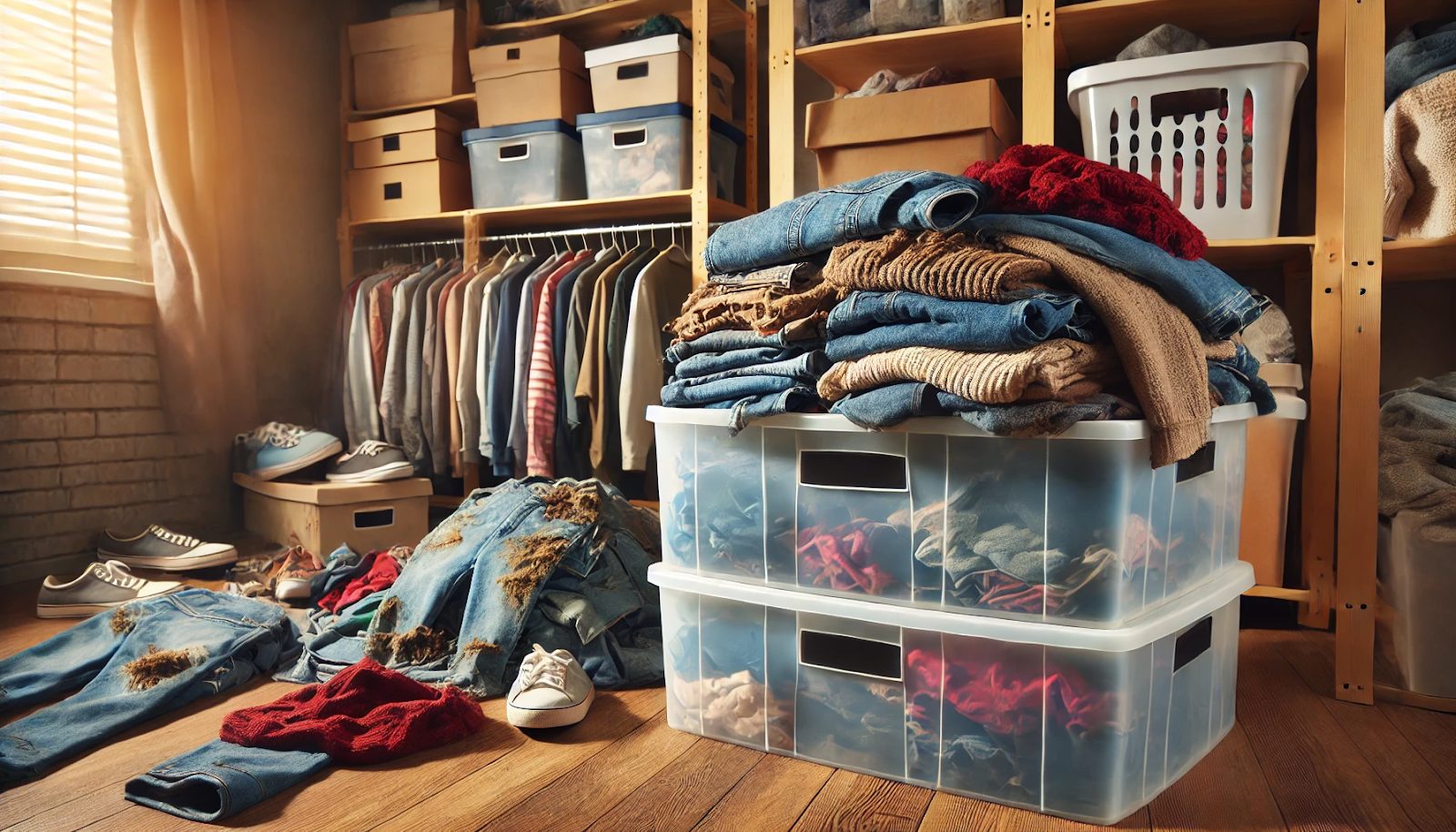
❌ Stuffing everything into random bins and forgetting about them until next year. This leads to wrinkled clothes, musty smells, and sometimes even permanent damage from moisture or pests 🪳
❌ Another mistake is skipping the prep work. Putting away dirty clothes is asking for trouble. Stains set in, odors get worse, and you’re setting yourself up for a nasty surprise when unpacking season comes around 😷
❌ The third mistake is using the wrong containers. Those cheap plastic bins might seem budget-friendly now, but they’re actually costing you money in ruined clothes.
The Genius “Triple C” System That Changed Everything
After years of trial and error, I stumbled upon what I call the “Triple C” system: Clean, Categorize, Compress.
This method transformed how my family of six manages seasonal clothing in our small NYC apartment.
The best part? It costs almost nothing to implement.
Step 1: Clean Everything Properly
This sounds obvious, but it’s worth repeating: never pack away dirty clothes 🧥
Even items that look clean need attention. Body oils, tiny food particles, and environmental dirt can all attract pests or cause staining during storage.
For everyday items, a normal wash cycle is fine. Use this laundry detergent for best results.
For special items like wool sweaters or delicate dresses, follow care instructions carefully.
The key detail most people miss: make sure everything is 100% dry before packing. Even slight dampness can lead to mildew.
Step 2: The Categorization Game-Changer
Here’s where the magic happens. Instead of organizing by type (all sweaters together, all pants together 👖), organize by outfit or wear frequency.
Create three distinct categories:
- Frequent Favorites: These are the seasonal items you reach for constantly. The coat you wear almost daily in winter, or the sundress you practically live in during summer.
- Occasional Pieces: Items you wear several times a season, but not weekly. Think holiday sweaters or special occasion weather-specific outfits.
- Rare Rotation: Those pieces you only wear once or twice a season, but still want to keep. The heavy snow boots for blizzards or the super fancy summer wedding guest dress.
Why does this matter? Because when you unpack next season, you’ll know exactly which box to open first 📦
You’ll immediately access your most-needed items without digging through everything.
Step 3: The Compression Technique That Saves 40% More Space
Here’s the genius part that changed everything for me: the modified military roll with the sheet method.
Military personnel have long known that rolling clothes saves more space than folding.
But there’s a modification that works even better for seasonal storage.
First, lay a clean cotton bed sheet flat on your bed or floor 🛏️
Place your clothes in neat rows on the sheet, with small gaps between items.
Roll each item tightly using the military roll technique: fold in the sides, then roll from bottom to top, tucking in any loose parts as you go.
Once all items are rolled, fold the edges of the sheet over them, creating a neat package.
Then roll the entire sheet bundle, starting from one end.
The result? A compact cylinder that protects clothes from dust, keeps them neatly organized, and saves remarkable amounts of space.
This method also prevents sharp creases that can damage fibers during long-term storage.
The Simple Labeling Trick Most People Overlook

Ever opened a storage bin and had no idea what’s inside? That stops now.
Create a detailed inventory of each container using this simple template.
Instead of vague labels like “Winter Clothes,” get specific: “Winter Daily Favorites: Black Coat, Gray Sweaters, Work Pants.”
Take a quick photo of the contents before sealing the container and attach it to your inventory list 📸
When next season arrives, you won’t waste time opening multiple containers looking for that one specific item.
Where To Store: The Locations Most People Never Think Of

Small apartment dwellers, this is for you 🏙️
Here are under-utilized storage spaces that work perfectly for seasonal clothing:
Under-bed space: Low-profile containers can slide easily under most beds.
Over-door hanging organizers: Not just for shoes! These work for rolled clothing too.
Inside suitcases: If you’re not traveling, why let that suitcase sit empty? 🧳
Behind or under couches: Some sofas have enough clearance to slide thin containers underneath.
Inside ottoman storage: Many ottomans have hidden storage compartments perfect for off-season clothes.
Top closet shelves: Use the stack-and-roll method to maximize this often wasted space.
The Seasonal Swap: How to Make It Quick and Painless

Twice a year, we do what I call the “Great Seasonal Swap.” It used to take an entire weekend.
Now it takes under two hours, thanks to our system.
Creating a simple checklist so nothing gets forgotten is the key! 🔑
Start by pulling out your inventory list to see exactly what’s stored where.
Retrieve your “Frequent Favorites” containers first, as these contain the items you’ll need immediately.
As you unpack the current season’s clothes, simultaneously pack away the off-season items using the Triple C system.
This way, you’re not left with piles of clothes and nowhere to put them.
The One Step Most People Skip (That Makes All The Difference)

Before packing away seasonal clothes, take 15 minutes to assess what you actually wore this season.
If an item went unworn for an entire season, it should probably go into the donation pile rather than back into storage.
This prevents the common problem of storing clothes you’ll never actually wear again 👚
Keep a donation bag handy during your seasonal swap to make this process effortless.
Final Thoughts: Transform Your Seasonal Clothes Storage Today
No more digging through mountains of mismatched items. No more damaged clothes from improper storage.
Just a simple, effective system that works in spaces of any size ✅
Your closet (and your sanity) will thank you when the next season rolls around!
What’s your biggest challenge with seasonal clothing storage? Try this system and let me know how it transforms your space!