The Ultimate Guide to Clutter-Free Living: How to Declutter and Organize Sustainably (Without Waste!)
Table of Contents
Is your home feeling more like a storage unit than a sanctuary? You’re not alone.
The struggle is real when it comes to keeping things tidy, especially if you’re living in a smaller space with family members who seem to have a special talent for creating chaos.
Trust me, I know.
And here’s the problem: most organizing advice these days pushes you to toss everything and buy new, fancy storage products.
Not exactly great for the planet — or your wallet.
Good news: you can declutter AND be environmentally responsible at the same time. No waste required.
Ready to transform your space without filling up landfills? Let’s get started.
Why Traditional Decluttering Methods Fall Short
We’ve all seen those shows where people throw away mountains of stuff, only to replace it with brand-new organizing products made of plastic.
The before-and-after photos look amazing, but what about all that waste?
Traditional decluttering methods often focus solely on getting rid of things without considering where those items end up ➡️🗑️
Plus, the organizing industry loves selling you specialized containers for everything from Q-tips to holiday decorations.
But buying new organizational tools can create more clutter and waste if you’re not careful.
The Sustainable Decluttering Mindset ♻️
Sustainable decluttering starts with a simple idea: be intentional about what comes in and what goes out of your home.
This isn’t about perfectionism or creating Instagram-worthy spaces.
It’s about creating a home that works for your actual life while being kind to the planet 🙏
The goal is a space that supports your daily activities without drowning in stuff or generating unnecessary waste.
Think of it as finding the sweet spot between minimalism and practicality.
Step 1: Take Stock Before You Start
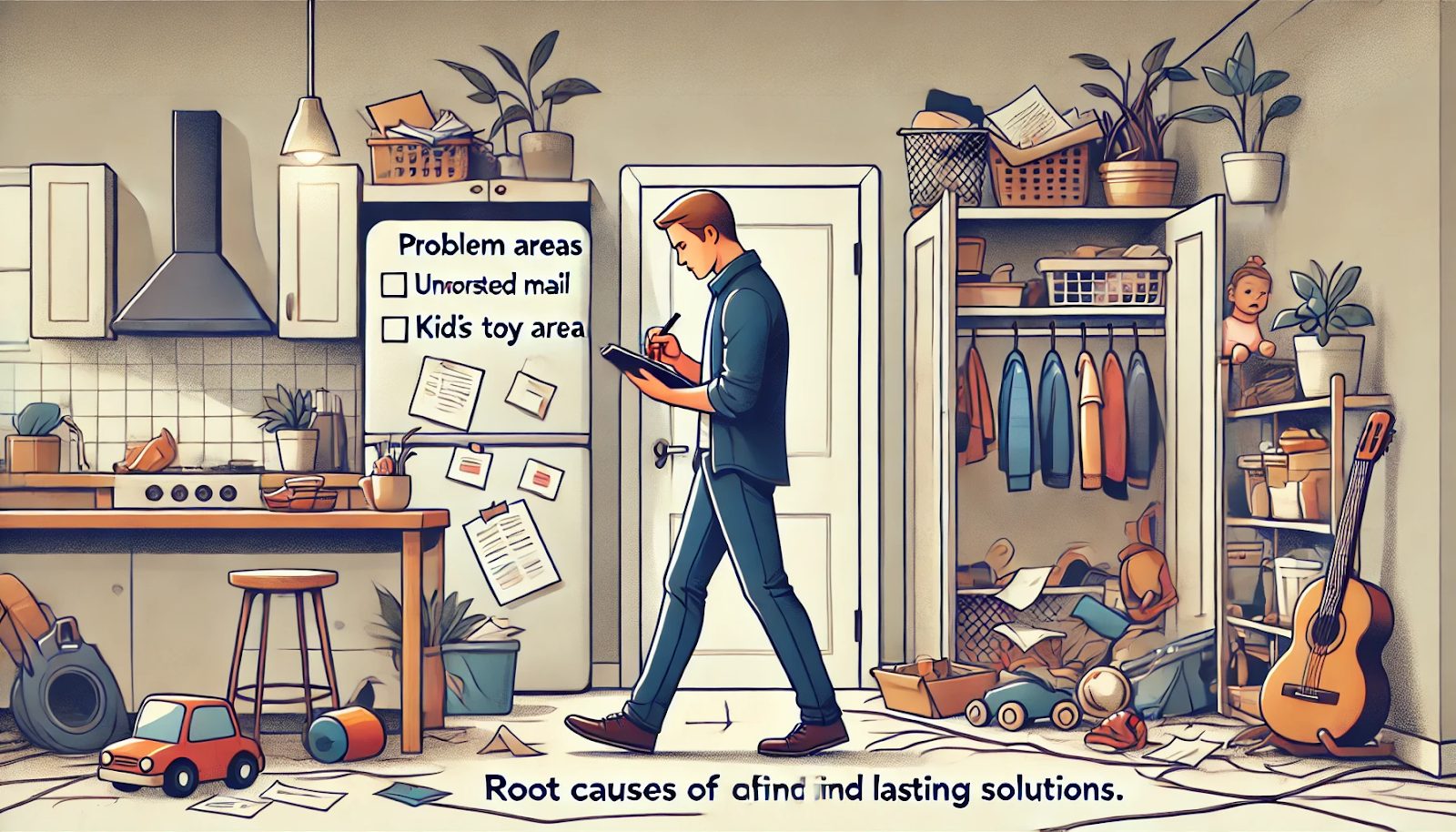
Before you touch a single item, take a moment to assess what you’re working with.
Walk through your home with a notebook and jot down problem areas that need the most attention.
Is it the kitchen counter that collects mail? The kids’ toy area that looks like a tornado hit it? The closet you’re afraid to open?
Identify what’s not working and why 🤔
Maybe the toys need better homes, or perhaps you need a mail sorting system.
Understanding the root causes of clutter helps you find lasting solutions rather than quick fixes.
This step saves you time and prevents you from buying those organizing products you don’t actually need. (No shame though; we’ve ALL been there.)
Step 2: Use What You Already Have
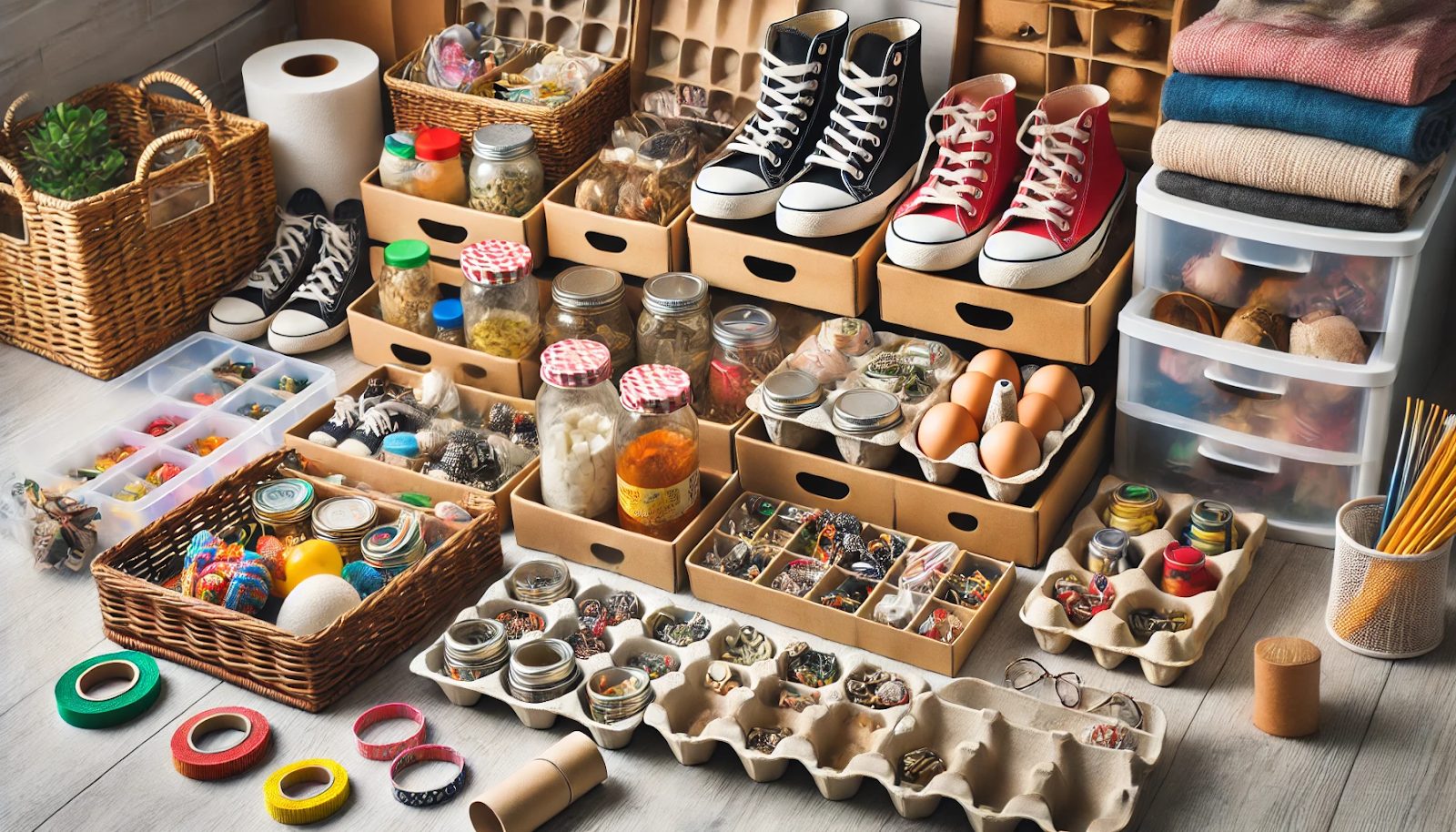
Before buying anything new, shop your own home first 🏠
You’d be surprised how many potential organizing solutions are hiding in plain sight.
Those shoe boxes in your closet? Perfect drawer dividers.
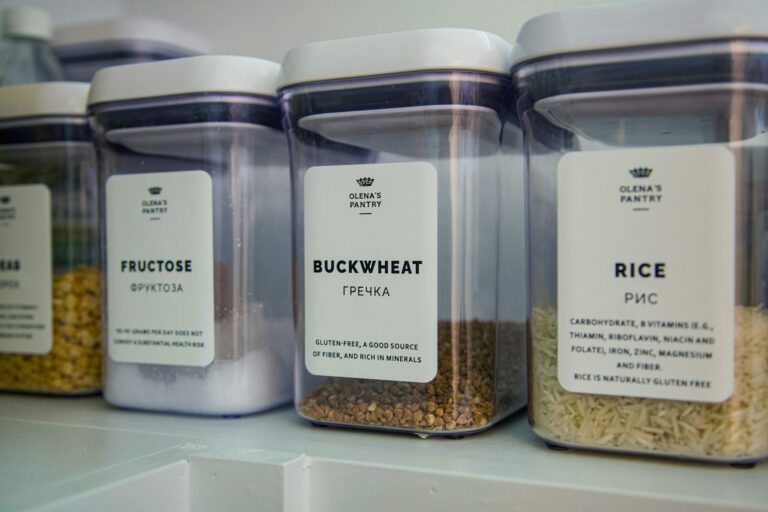
Empty jars from pasta sauce? Great for storing small items.
That unused basket? A new home for pet toys.
Look at everyday items with fresh eyes and repurpose them, such as:
- Egg cartons for storing earrings or small craft supplies
- Empty toilet paper rolls for organizing cords and cables
- Gift boxes for drawer dividers 📦
- Tension rods for creating extra hanging space
- Binder clips for keeping cords tidy
This approach not only saves money but prevents more items from entering the waste stream.
Step 3: The Four-Box Method (With a Sustainable Twist)
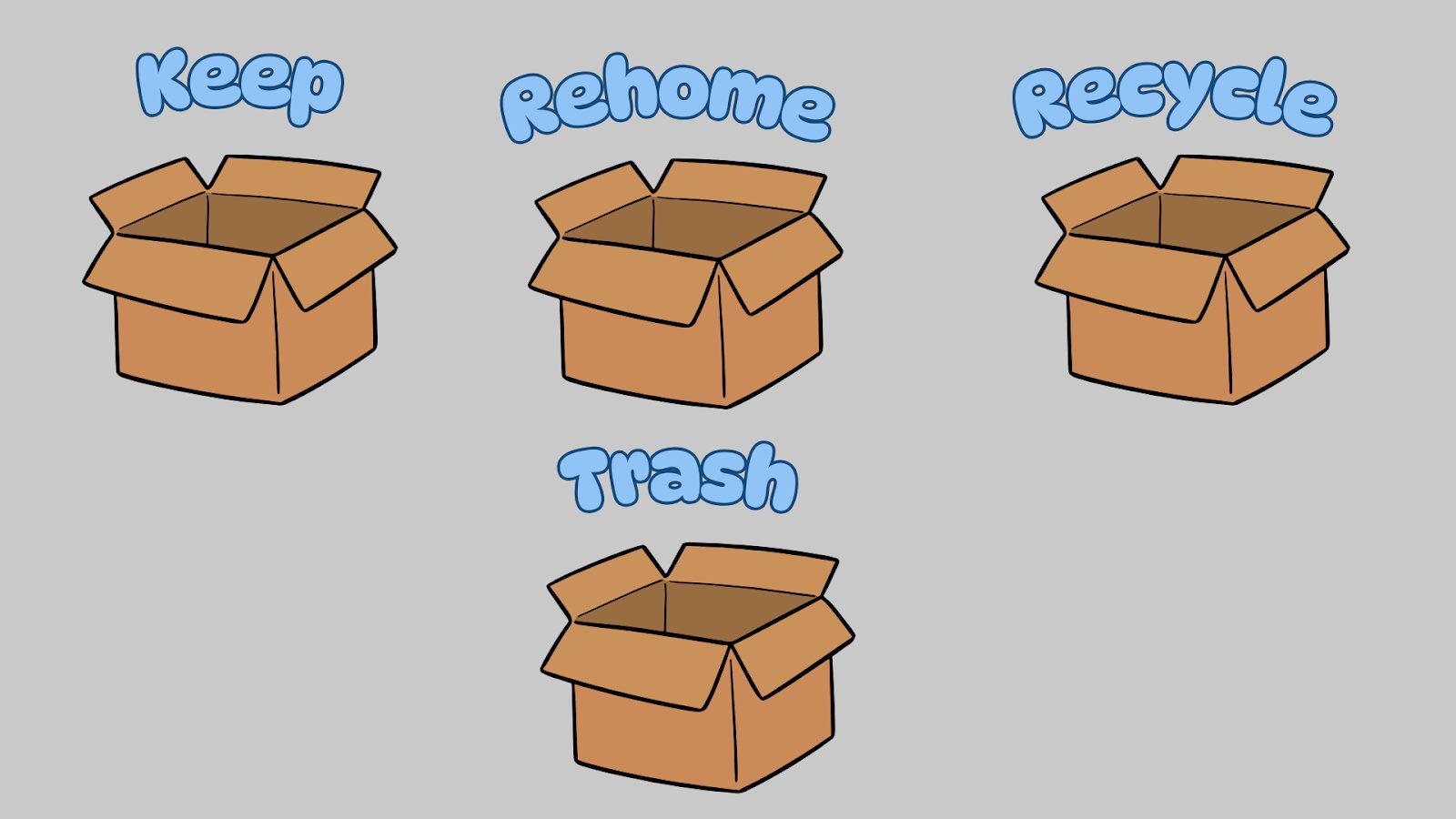
When you’re ready to start sorting, set up four destinations for your items:
- Keep: Things you use and love that have a clear purpose and home
- Rehome: Items in good condition that someone else could use
- Recycle/Upcycle: Things that can be recycled or transformed ♽
- Trash (Last Resort): Items that truly can’t be used by anyone else
The key difference in sustainable decluttering is making the “trash” box your absolute last resort.
Challenge yourself to find new purposes or new homes for as many items as possible 🧐
For the “Rehome” category, consider:
- Local Buy Nothing groups
- Neighborhood apps like NextDoor
- Donation centers that actually put items to use
- Friends or family who might need what you don’t
- Consignment shops for higher-value items
- Specialty recycling programs for hard-to-recycle items
Take the time to find the right destination for each item rather than taking the easy route to the dumpster.
Step 4: One In, One Out (At Least)
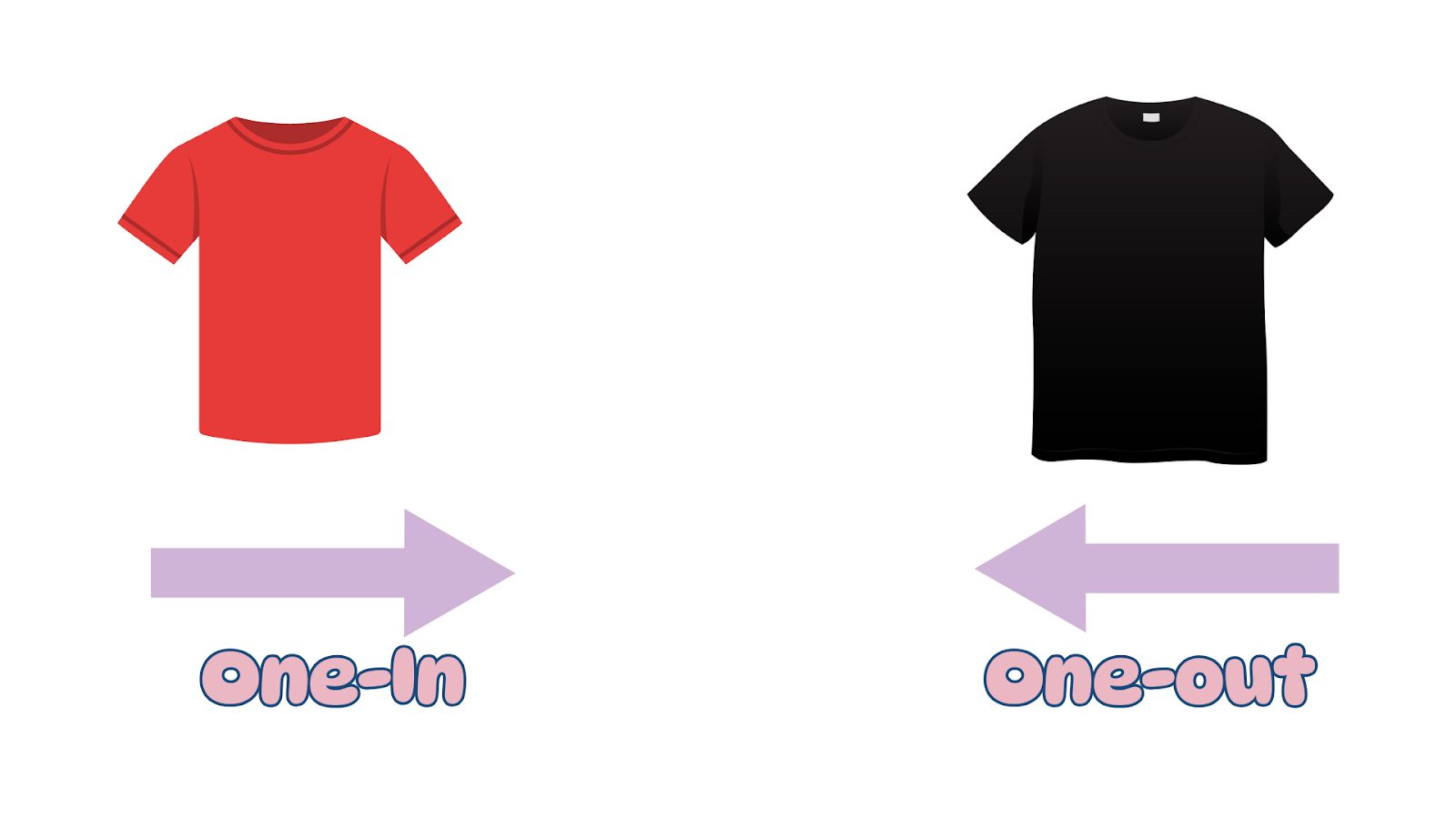
Once you’ve decluttered, maintain your space with this simple rule: for every new item that comes in ➕, at least one thing must go out! ➖
This creates a natural limit to accumulation and makes you think twice before bringing new things home.
When shopping, ask yourself:
- Do I already have something similar?
- Where exactly will this live in my home?
- What item will I let go of to make room for this?
These questions help curb impulse purchases and prevent clutter from creeping back.
For families, get kids involved by having them choose toys to donate before birthdays and holidays 🧸
Step 5: Celebrate Progress, Not Perfection

Sustainable organizing is a marathon, not a sprint.
Celebrate small wins along the way, like finally handling that junk drawer or maintaining your entryway system for a full month.
Take “after” photos to remind yourself how far you’ve come 🏚️➡️🏠
Remember that a sustainably organized home isn’t about achieving magazine-worthy spaces. It’s about creating a functional environment that supports your life without harming the planet.
Creating a Clutter-Free Future
The beauty of sustainable decluttering is that it’s better for your home, your wallet, and the earth 🍃
By reusing what you have, finding new homes for unwanted items, and being intentional about what you bring into your space, you’re creating positive ripple effects beyond just a tidy home.
Your kids learn valuable lessons about resourcefulness and responsibility.
Your budget gets a break from constant organizing product purchases.
And yes, your home becomes more functional and peaceful in the process.
Remember that sustainable organizing is personal—what works for me in my Manhattan apartment might look different from what works for you in your space.
The key is finding solutions that fit you, your family, your life and your values.
Ready to declutter without the waste?
Start with just one small area today, and remember: every item kept out of the landfill is a win for your home and for the planet.