10 Easy Ways to Tackle Paper Clutter (Without Shredding Everything)
Table of Contents
“My desk looks like it was just hit by a paper tornado – I swear those documents multiply when I am not looking.” 😖- relatable?
Well, let’s face it – Paper is often the greatest contributor to household clutter. It sneaks in through your mailbox, hitches a ride in your kid’s backpack, and stages a takeover of all flat surfaces in your home.
Shredding won’t let you watch them all disappear into confetti. So, how to get rid of paper clutter? Let’s figure out…
1. Get a Few Files
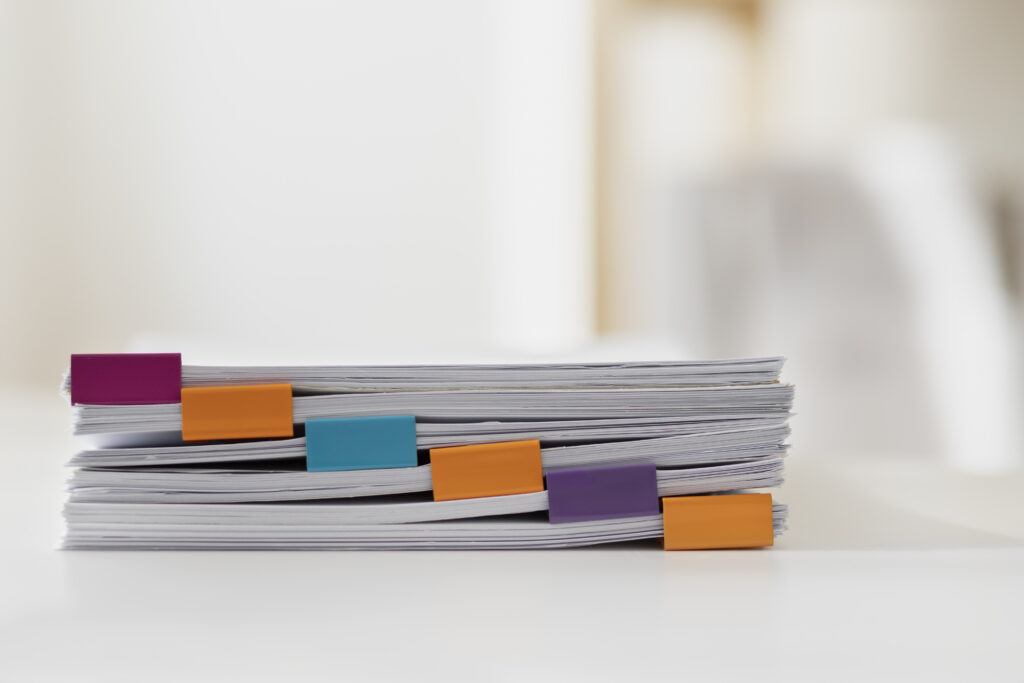
Disorganized piles of papers make spaces messier. You won’t find out what you need when required – that’s a bet. 🙂
To address this, get three dedicated files. Arrange them as:
- To Do – Bills, invitations, forms, and papers that require action.
- To Keep – Important records, receipts, and tax documents.
- To Toss – Anything outdated, unnecessary, or junk mail.
You can check out some cool files here.
💡Tip: Use color-coded folders or a compact filing cabinet to make organizing easier. Store frequently used documents in an easy-to-reach place.
2. Scan and Store Digitally
You won’t have to scan everything just because you want to go paperless. Instead, scan what you actually need.
There are fantastic scanning applications like Adobe Scan or CamScanner. They can help you digitize receipts, warranties, contracts, medical records, etc.
To store your digital files, you can use cloud storage options like Google Drive, Dropbox, or iCloud. That way, your files will always be at your fingertips while your home will be clutter-free.
💡Tip: In case you are looking for extra security, consider Evernote and OneNote. They allow you to search handwritten notes after scanning. Just make sure that you have labeled files clearly – that way, you can easily find them later.
3. Follow the “One-Touch” Rule
Handling the same paper multiple times creates clutter and wastes time. Instead, commit to the one-touch rule:
- File it if it’s important.
- Scan it if a digital copy is enough.
- Toss it if it serves no purpose.
Junk mail? Straight to the recycling bin. Bills? Pay immediately or file them.
Procrastination leads to piles—deal with papers as soon as they come in. 🤓
4. Put a Roadblock for Incoming Paper

Fewer papers coming in = less clutter to manage.
✔️ Go paperless for bills and bank statements—most companies offer this.
✔️ Unsubscribe from junk mail using DMAchoice.org.
✔️ Cancel unnecessary magazine subscriptions and read digital versions instead.
✔️ Opt for email receipts whenever possible—stores like Target and Best Buy already offer them.
5. Designate a Paper Drop Zone
Mail, school papers, and notes end up scattered everywhere when they don’t have a landing spot.
A simple wall-mounted organizer, tray, or drawer keeps everything in one place. Label sections like:
| Bills & Statements | Kids’ School Papers | Mail to Review |
Sort through the drop zone once a week to prevent it from overflowing.
6. Keep Important Documents Safe

Certain documents should never be tossed, including:
✔️ Birth certificates, passports, and Social Security cards
✔️ Mortgage and loan documents
✔️ Tax returns (keep for at least seven years)—recommended by the IRS
✔️ Wills and insurance policies
Always store these in a fireproof document safe for extra protection. Here’s a good one!
7. Repurpose Scrap Paper
Instead of tossing half-used sheets, repurpose them:
✔️ Use junk mail envelopes for shopping lists.
✔️ Cut up old printouts for to-do lists.
✔️ Let kids draw on the blank side of used paper.
✔️ Shred scrap paper for packaging filler instead of bubble wrap.
Reusing paper reduces waste and saves money. ♻️
8. Organize Kids’ Artwork & School Papers
Kids bring home tons of papers and artwork—keeping everything isn’t realistic.
✔️ Scan artwork and store it digitally.
✔️ Use a binder for special projects like report cards and awards.
✔️ Create an art wall to showcase their best work.
✔️ Rotate displayed pieces every few weeks to keep things fresh.
9. Make a Shred Pile (But Keep It Small)

Some papers need shredding to protect personal information:
✔️ Bank statements
✔️ Credit card offers
✔️ Medical records
✔️ Documents with Social Security numbers
💡Tip: Keep a small shred bin nearby and shred weekly to stay ahead of the mess.
10. Stick to a Weekly Paper Declutter Routine
A 15-minute paper decluttering routine prevents pile-ups and stress.
📌 Sort through the paper drop zone.
📌 File, scan, or toss anything unnecessary.
📌 Shred sensitive documents.
📌 Review unpaid bills and important paperwork.
Making this a habit keeps your home paper-free without effort.😁
BONUS HACKS
#1 Set a Time Limit for Paper Handling
Allocate a fixed time—10 to 15 minutes—once or twice a week to tackle paperwork. During this time:
✔️ Sort through any new documents that have piled up.
✔️ Process bills and forms that need attention.
✔️ File or scan papers that should be kept.
✔️ Shred anything sensitive that’s no longer needed.
Setting a time cap prevents paper organization from turning into an all-day task. It also stops procrastination from creating overwhelming piles. Stick to the schedule, and you’ll never have a cluttered desk again!
💡 Tip: Use a timer to keep yourself accountable. Once the buzzer goes off, stop and move on.
#2 Make a Household Paper Policy
Decide how paper is handled the moment it enters your home:
✔️ Who sorts the mail? Assign one person to open, toss, and file important letters.
✔️ Where does paperwork go? Create a designated tray for action-required documents.
✔️ When is the paper reviewed? Pick a weekly or monthly date to purge unnecessary files.
✔️ How are shared papers managed? Keep a binder or folder for school forms, event invitations, and shared bills.
When everyone follows the same plan, there’s no more scrambling to find lost documents. Plus, fewer paper piles build up when decisions are made upfront.
💡 Tip: Write down the policy and post it where everyone can see. A clear system makes it easier for the whole household to follow through.
Wrapping “Them” Up
So you see, paper clutter is easily manageable – all you need is the right hacks. Now that you have them handy, go ahead and start today. Cheers to a cleaner, clutter-free home! 🥂