15 Simple Ways to Keep Your Family Organized Every Day (That Actually Work!)
Table of Contents
Does your living space feel more like a chaotic playground than a peaceful home? If you’re nodding your head right now, you’re not alone 🤝
Family organization isn’t just a nice-to-have—it’s a sanity-saver.
After years of tripping over toys and searching for missing homework five minutes before the school bus arrives, I’ve learned that organization isn’t about being perfect.
It’s about creating systems that work for real families living real, messy lives.
Let’s jump straight into 15 practical ways to keep your family organized without losing your mind in the process.
1. The Family Command Center
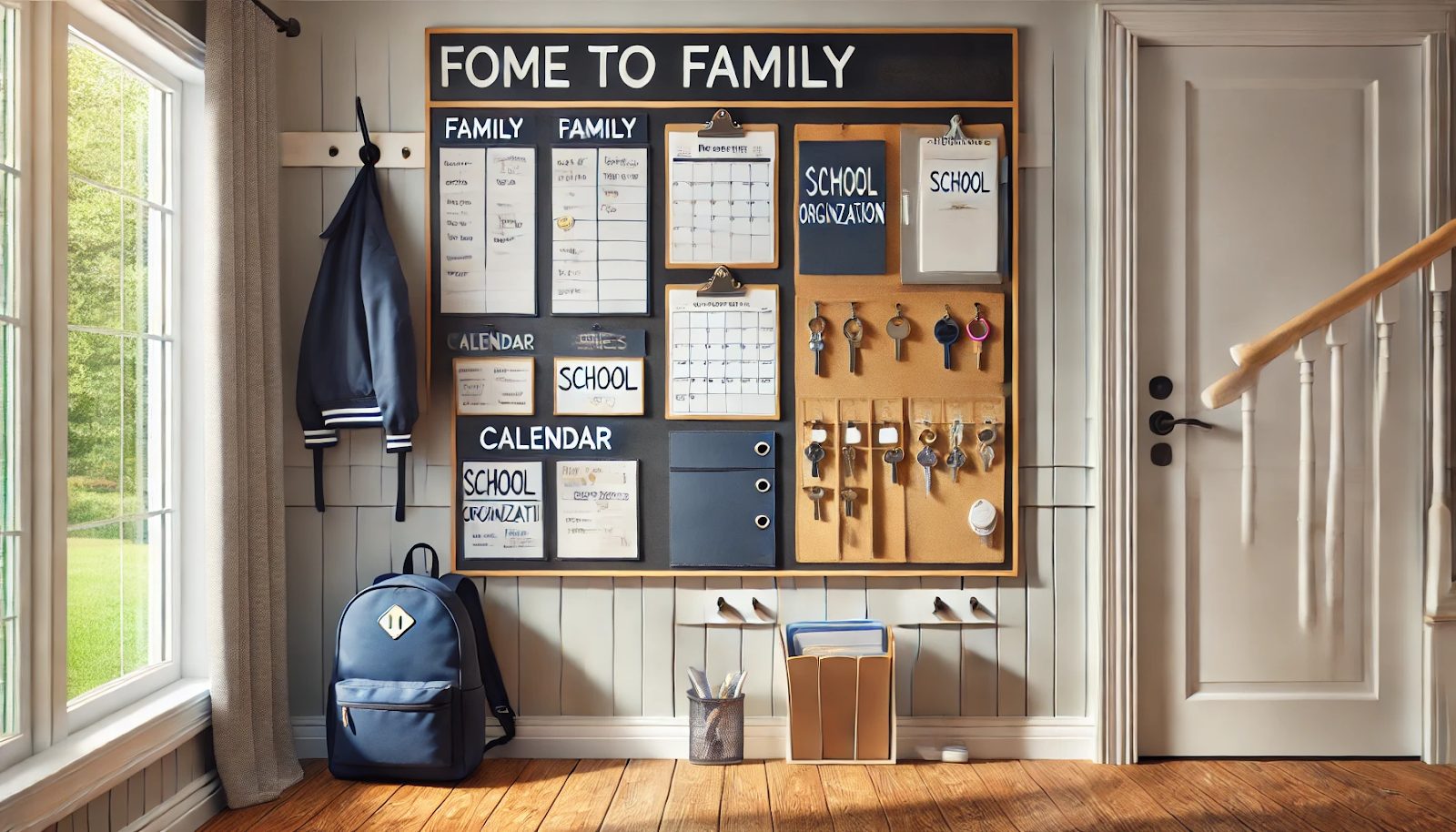
Every organized family needs a central hub where important information lives. This doesn’t need to be fancy—just functional.
A simple wall space near your main entry point works perfectly. Include a calendar, a spot for incoming papers, a small whiteboard for messages, and hooks for keys. When everything has a home, nothing gets lost.
My family uses a magnetic whiteboard with sections for each family member. School notices go in the “needs attention” folder until they’re handled.
No more finding crumpled permission slips at the bottom of backpacks! 🎒
2. Morning Launch Pads

Mornings are often the most stressful time for families. Create “launch pads” for each family member—a designated spot that holds everything needed for the next day.
- For kids, this might be a shelf or bin that holds their backpack, completed homework, and any items needed for activities.
- For adults, it could be a charging station for devices, work bags, and car keys.
Setting these up each evening takes just five minutes but saves countless morning meltdowns. Trust me on this one! 🙂↕️
3. The 10-Minute Tidy
Rather than facing a complete disaster zone every weekend, implement the 10-minute tidy. Every evening, set a timer for ten minutes and have all family members pick up their belongings.
Ten minutes is nothing. It’s how long you spend scrolling through Instagram while waiting for water to boil.
But when everyone pitches in, those minutes add up to a reasonably tidy home.
Even young children can participate—make it a game to see how much they can pick up before the timer goes off. The key is consistency 🔑
4. Sunday Reset Ritual

Dedicate 30-60 minutes every Sunday to reset for the coming week. Check calendars, plan meals, prepare clothes, and get everyone on the same page.
This Sunday reset is a game-changer. It gives you breathing room to think ahead instead of constantly reacting to the chaos of the moment. 🧘
During our reset, we check weather forecasts to plan appropriate outfits, review the family calendar for upcoming events, and pack any items needed for Monday morning.
This simple habit has transformed our Monday mornings from frantic to (almost) peaceful 😌
5. One In, One Out Rule

To prevent stuff from taking over your home, implement the “one in, one out” rule. For every new item that enters your home, one must leave.
This works especially well for toys, clothes, and kitchen gadgets.
Got a new sweater? Time to donate one you don’t wear anymore.
Kids got new toys? Help them choose some to pass along to others 🪁
This isn’t about deprivation—it’s about thoughtful consumption and maintaining space in your home.
6. Digital Family Calendar
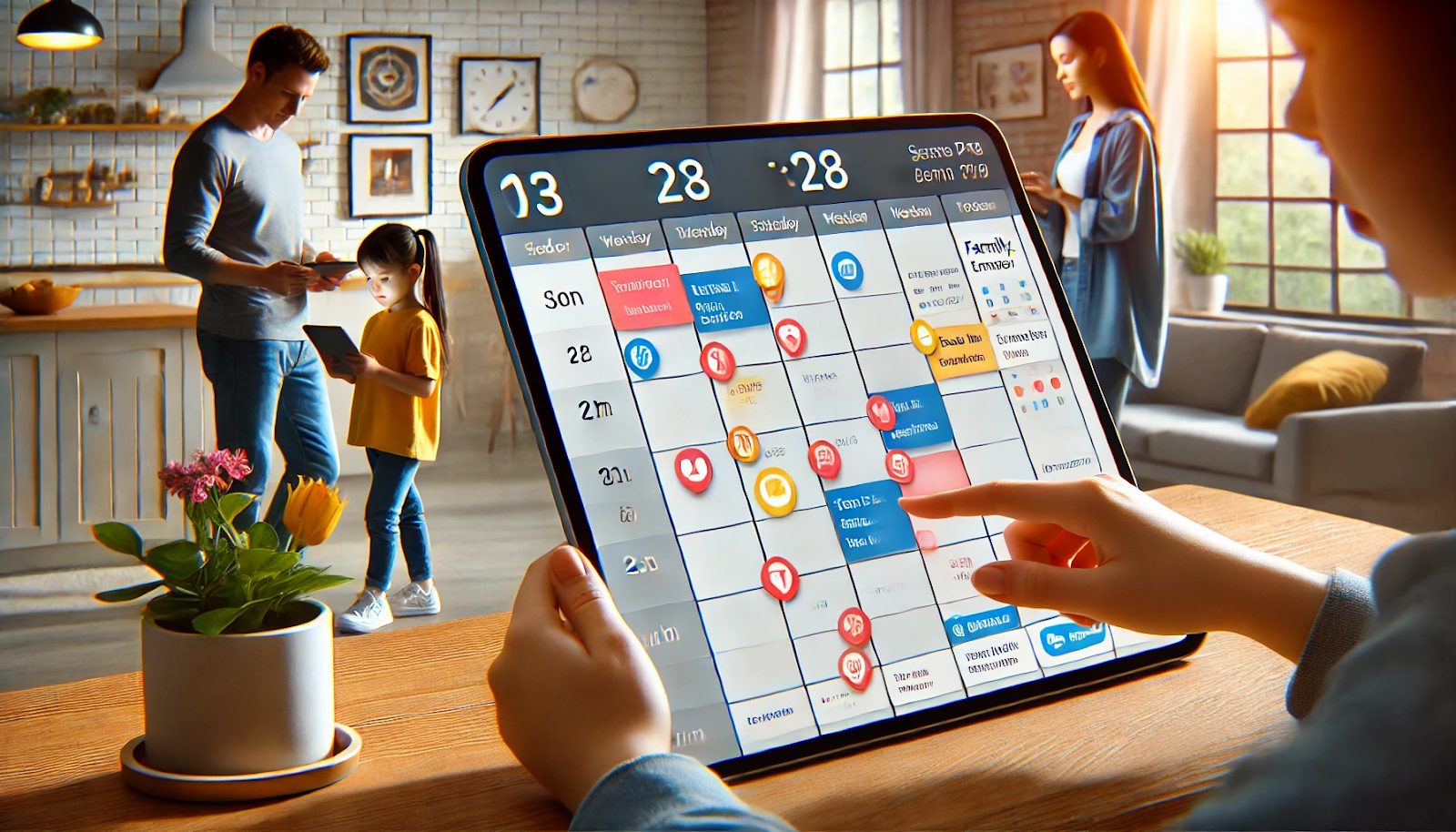
Paper calendars work, but digital options offer advantages for busy families. A shared digital calendar sends reminders and can be updated by multiple family members from anywhere.
Google Calendar, Cozi, or Apple’s Family Sharing all work well. The magic happens when everyone can see the same information—no more “you didn’t tell me about the dentist appointment” complaints! 📱
Color-code each family member so you can quickly see who needs to be where. This visual system makes planning family life much easier 🙌🏻
7. Meal Planning Made Simple
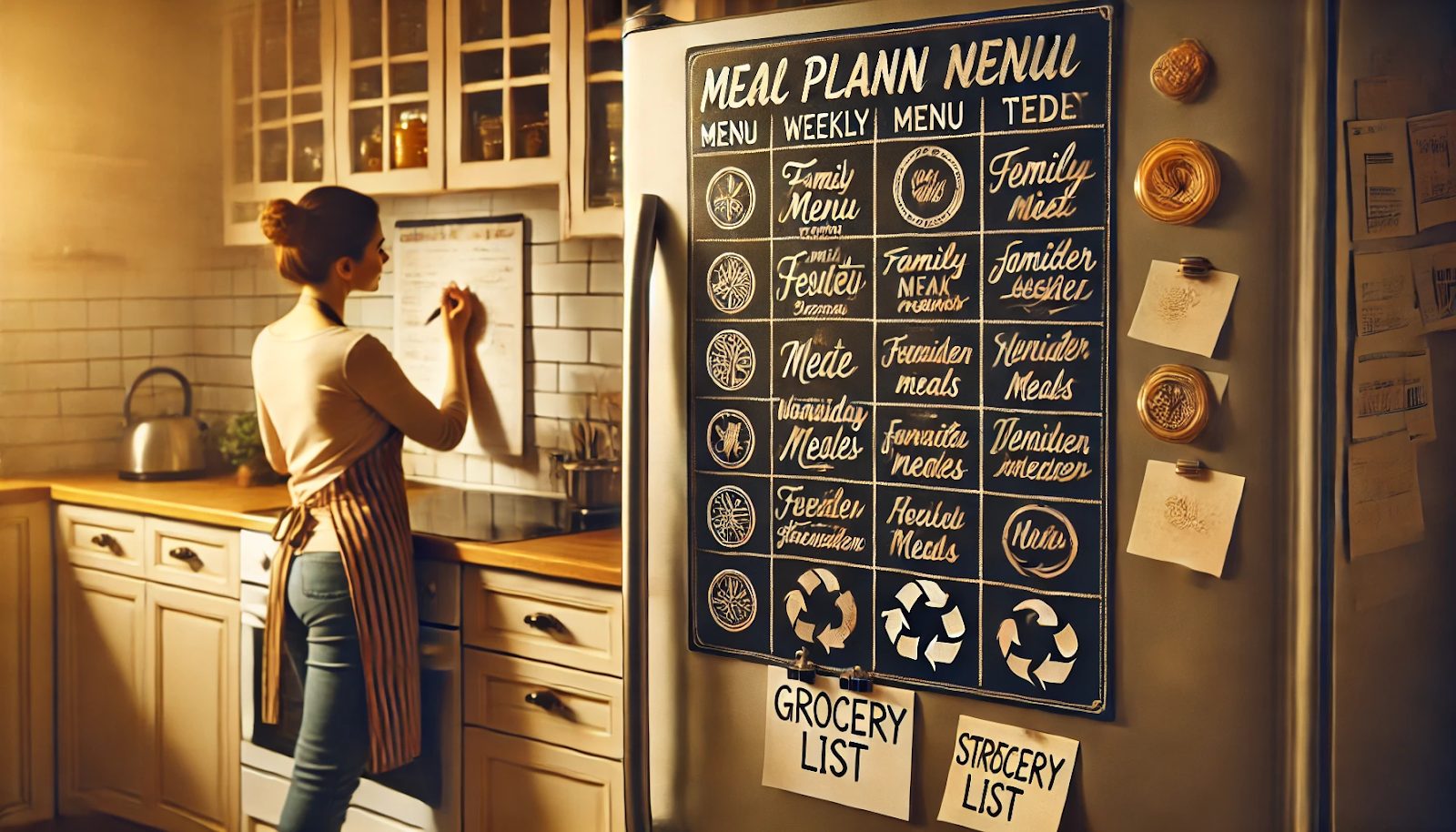
Food is a daily necessity that can create daily stress without a plan. Simplify meal planning by creating a rotating menu of family favorites.
Keep a master list of 10-15 meals everyone enjoys. Plan two weeks of dinners at a time, and keep the ingredients for these meals on hand. This cuts down on decision fatigue and last-minute takeout 🥘
Our family uses this magnetic meal planning board on the fridge. Sunday’s reset includes filling it out for the week ahead, which eliminates the daily “what’s for dinner” question.
8. The Family Meeting

Weekly family meetings sound formal, but they can be as simple as a 15-minute check-in during dinner.
Review the calendar, discuss any challenges, celebrate wins 🎉, and make sure everyone knows what’s happening.
Kids appreciate being in the loop, and these meetings give them a chance to speak up about their needs and model’s important communication skills they’ll use throughout life.
In our home, we end each meeting with one thing we’re looking forward to in the coming week. This positive focus helps everyone leave the meeting feeling connected 💕
9. Use the One-Touch Rule
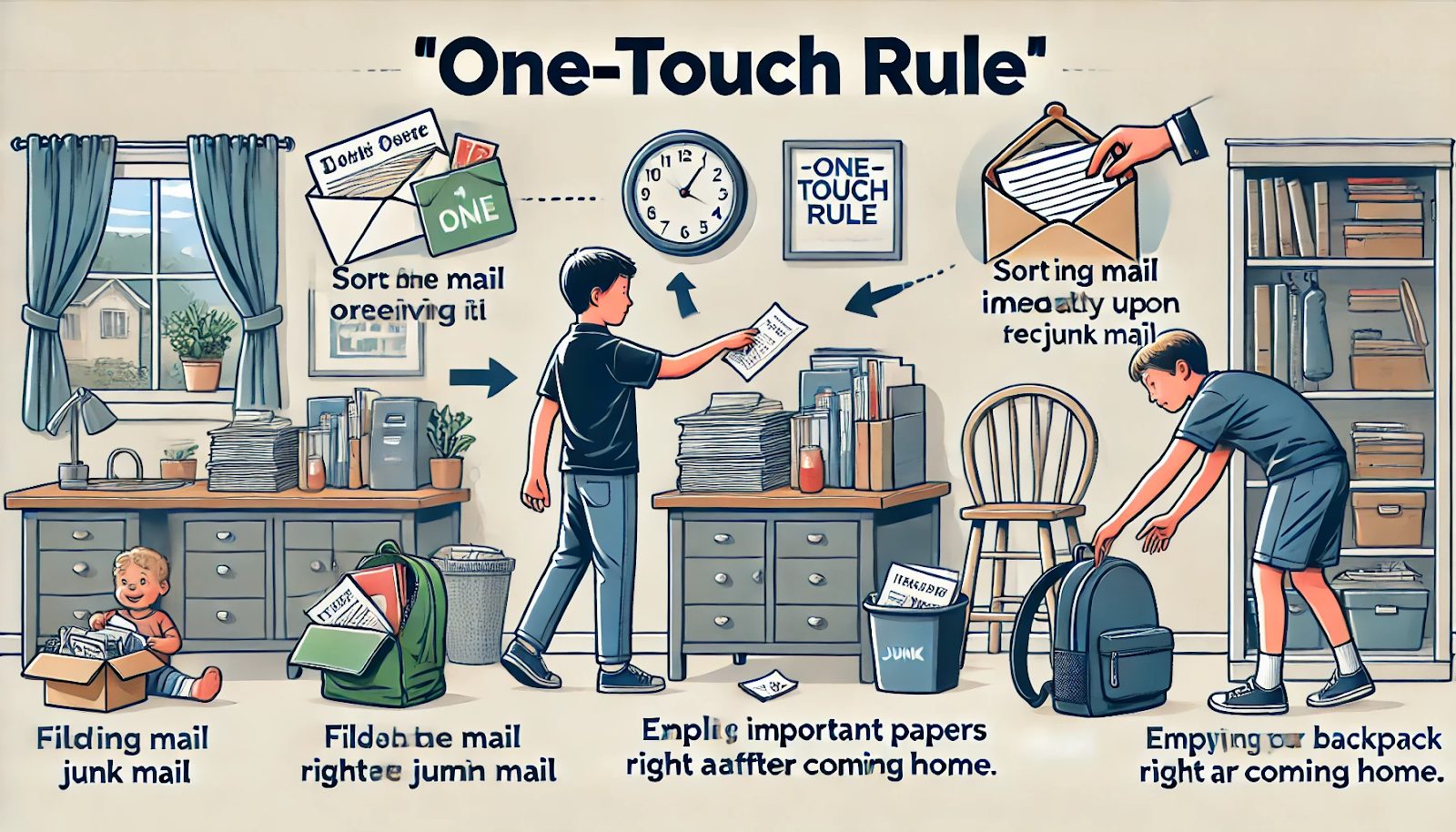
The one-touch rule is simple: handle items only once. When the mail comes in, deal with it immediately—file it, act on it, or toss it.
The same goes for backpacks, lunch boxes, and work bags. Empty them completely when you get home instead of letting items pile up.
This habit alone cuts down on 50% of the clutter that accumulates in our home. No more piles of unopened mail 📧 or forgotten permission slips at the bottom of backpacks!
10. Create Zones for Everything

Every item in your home should have a designated spot. Create zones based on activities: homework zone, pet zone, sports equipment zone, etc.
Label shelves, bins, and drawers so everyone knows where things belong. Even our Corgis know where their toys should go (though they rarely put them away themselves) 🐶
Clear storage bins with labels work wonders for keeping zones organized and visible. These stackable containers save so much space in our small apartment.
11. Assign Age-Appropriate Chores
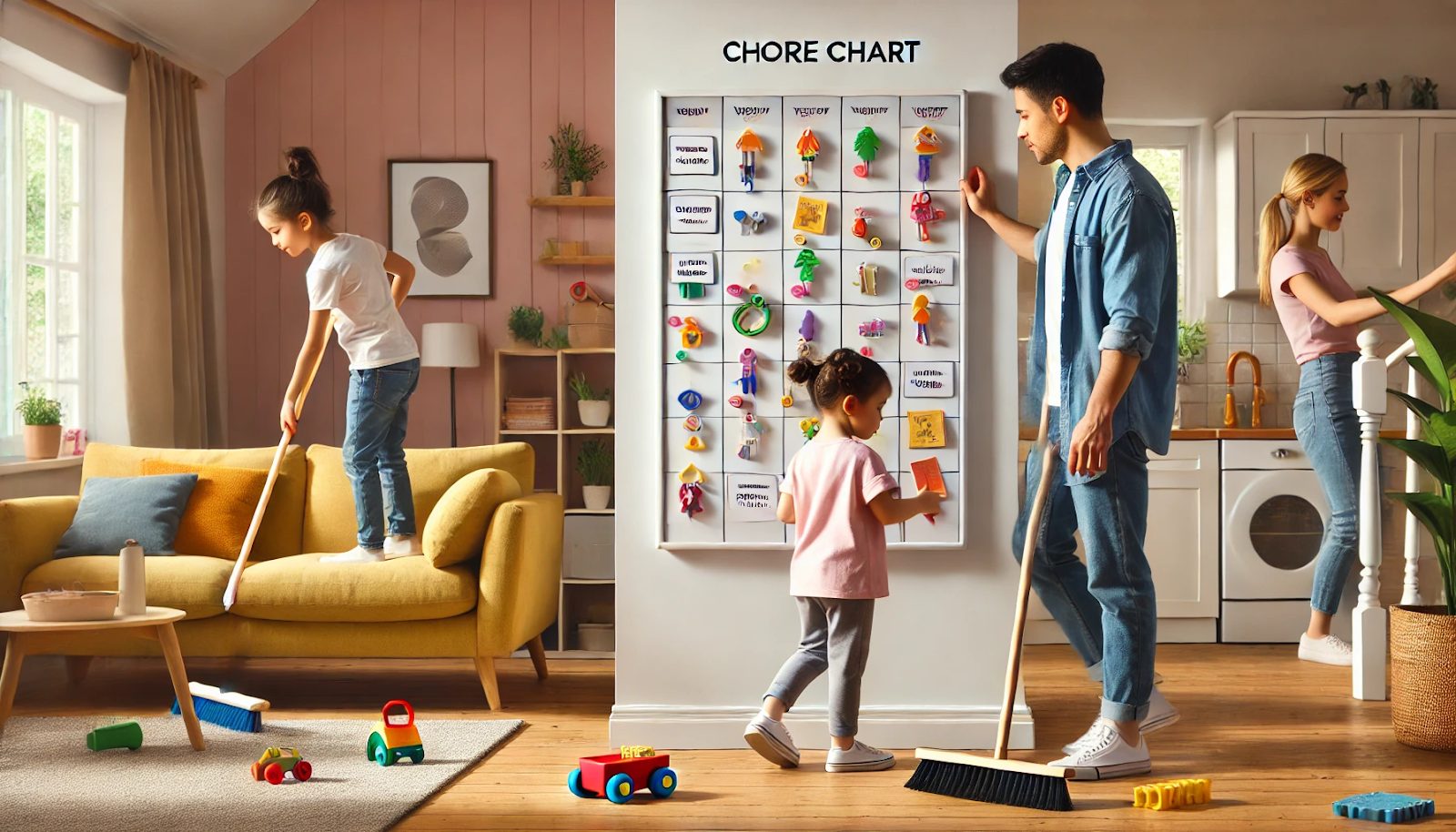
Kids as young as two can help with simple tasks. Create a chore chart with daily and weekly responsibilities for each family member 📋
Rotate 🔁 some chores monthly to prevent boredom and teach different skills. We use a simple chore chart with magnetic tasks that can be moved around.
Remember, the goal isn’t perfection—it’s participation and building good habits.
12. Use a “Drop Zone” System

Create small baskets 🧺 or bins 🗑️ for each family member near the entrance of your home.
When you come in, everything that needs to be dealt with later goes in your bin—mail, school papers, items to be returned, etc.
This prevents items from being scattered throughout the house.
13. Create Systems for Paper Management

School papers, mail, and work documents 🗃️ can quickly overwhelm your space.
Set up a simple filing system with three actions: act on it, file it, or toss it.
Use a vertical file organizer for current papers and a filing cabinet for long-term storage.
14. Pack Bags the Night Before

Mornings run much smoother when everything is ready to go.
Help kids pack backpacks, lay out clothes, and prepare lunch boxes 🍱 before bed. Place everything by the door or in your “drop zone.”
Adults should do the same with work bags, gym bags, and anything needed for the next day.
15. Simplify Your Calendar

An organized family starts with an organized schedule. Learn to say no ❌ to activities that aren’t meaningful or necessary.
Limit each child to 1-2 extracurricular activities per season. Keep at least one weeknight and one weekend day completely free for family time.
Organization Isn’t About Perfection
The most organized families aren’t perfect—they’ve just found systems that work for their unique needs.
These 15 strategies aren’t about creating a showroom-worthy home. They’re about making family life flow more smoothly so you can focus on what really matters: enjoying your time together🫸🫷
Family organization isn’t just about finding your keys faster (though that’s a nice bonus). It’s about creating a home where everyone can thrive without the constant undercurrent of chaos.
These simple strategies can help you get there—one organized day at a time.