The Genius Hack for Keeping Shared Spaces Tidy (Even with Kids!)
Table of Contents
You know that moment when you’ve just finished cleaning, and within seconds, toys are scattered across the floor again? I’ve been there—many, many times.
Most organization gurus don’t have sticky fingerprints on their walls or dog hair tumbleweeds rolling across their floor. They certainly don’t have LEGO landmines waiting to attack bare feet at 2 AM 🕰️
But here’s what I learned after years of frustration: the secret to keeping shared spaces tidy isn’t about being perfect. It’s about creating systems so simple that everyone—yes, even your kindergartner and your partner who “can’t see mess”—can follow them.
The game-changer? The 10-Minute Reset ⏳
The 10-Minute Reset: The Only Cleaning Hack You Need
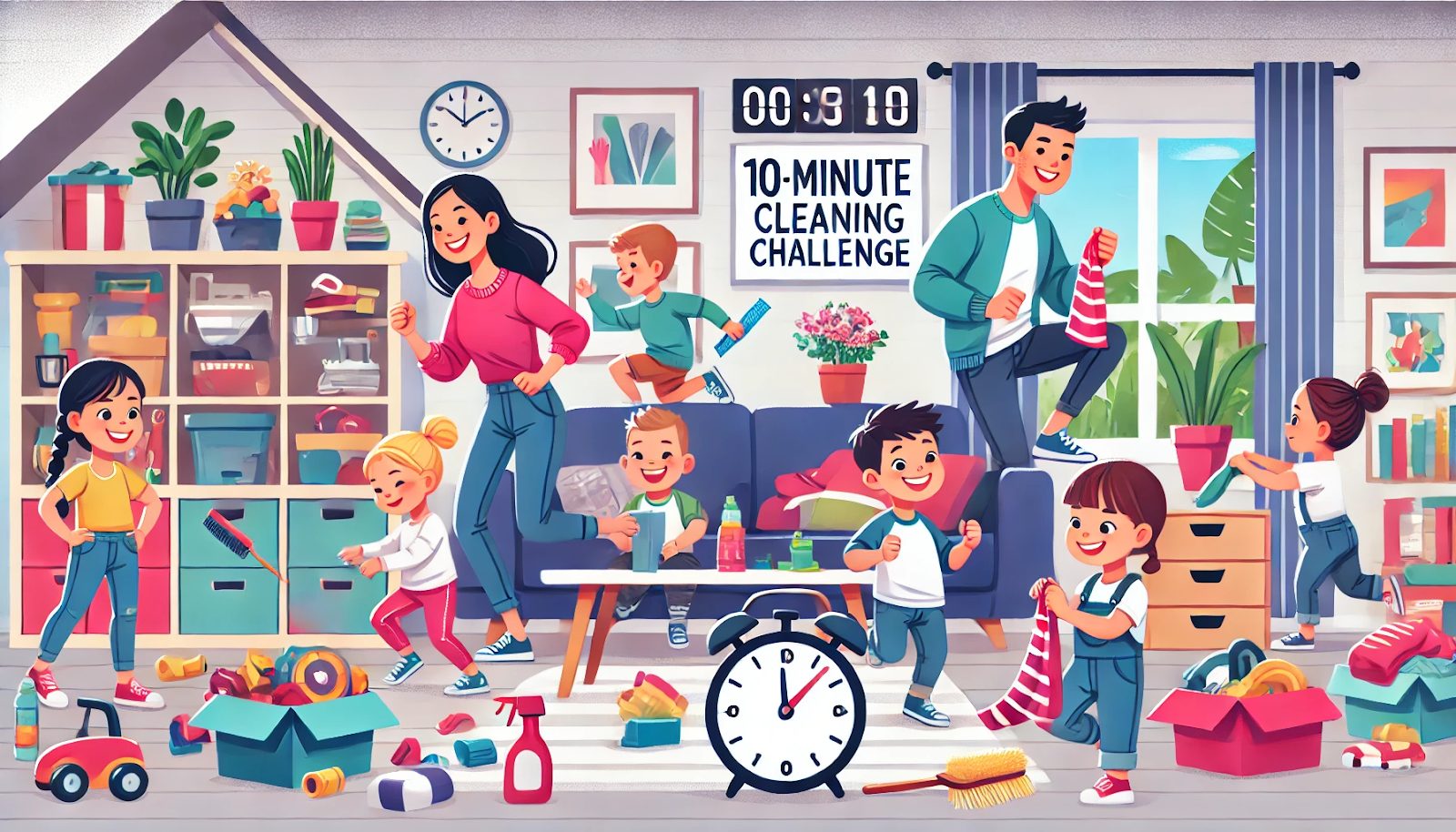
The premise is simple: set a timer for 10 minutes, and everyone in the household puts away whatever they can in that time.
Ten minutes is nothing. It’s how long you spend checking Instagram while waiting for water to boil. It’s shorter than most TV commercial breaks 📺
But those 10 minutes, done consistently, will transform your home.
Here’s why it works when nothing else does:
- It has a clear end point (no one complains about “cleaning all day”)
- It creates momentum (you’ll be shocked what you accomplish in 10 minutes)
- It builds the habit of tidying regularly rather than marathon cleaning sessions
- It gets everyone involved without major battles
The best part? Kids actually enjoy it when you make it a beat-the-clock game. “Can we put away all the blocks before the timer beeps?” becomes a challenge rather than a chore 😪
Setting Up Your Home for Success

Before the 10-Minute Reset can work its magic, you need to set up your space correctly. The foundation of tidy shared spaces is having logical, accessible homes for everything.
The goal isn’t Pinterest-perfect organization. It’s creating systems so obvious that items practically put themselves away.
Start by identifying your family’s “hot spots”—those areas that always collect clutter. For us, it’s the entryway, kitchen counter, and living room floor.
For each hot spot, ask: what items repeatedly end up here, and where should they actually live?
In our entryway, the culprits were always backpacks, shoes, mail, and dog leashes. The solution? A low hook rack for kids’ backpacks 🎒, a mail sorter mounted on the wall, a shoe basket, and command hooks for leashes.
The key is making the “right place” for items more convenient than the wrong place.
Kid-Proof Organization Systems That Actually Work
When it comes to kids’ stuff, forget complicated organizing systems. They won’t use them, and you’ll just end up frustrated.
Instead, follow these principles:
1. Everything needs a home that makes sense to a child
Kids think differently than adults. Their logic is often based on how they play with things, not categories that make sense to us.
Instead of organizing toys by type (all cars together, all action figures together), try organizing by play scenario: “building toys” or “things for pretend kitchen.” 🧸
2. Use open containers whenever possible
Lids are barriers to kids putting things away. Bins, baskets, and open shelves win over drawers and containers with lids every time 🧺
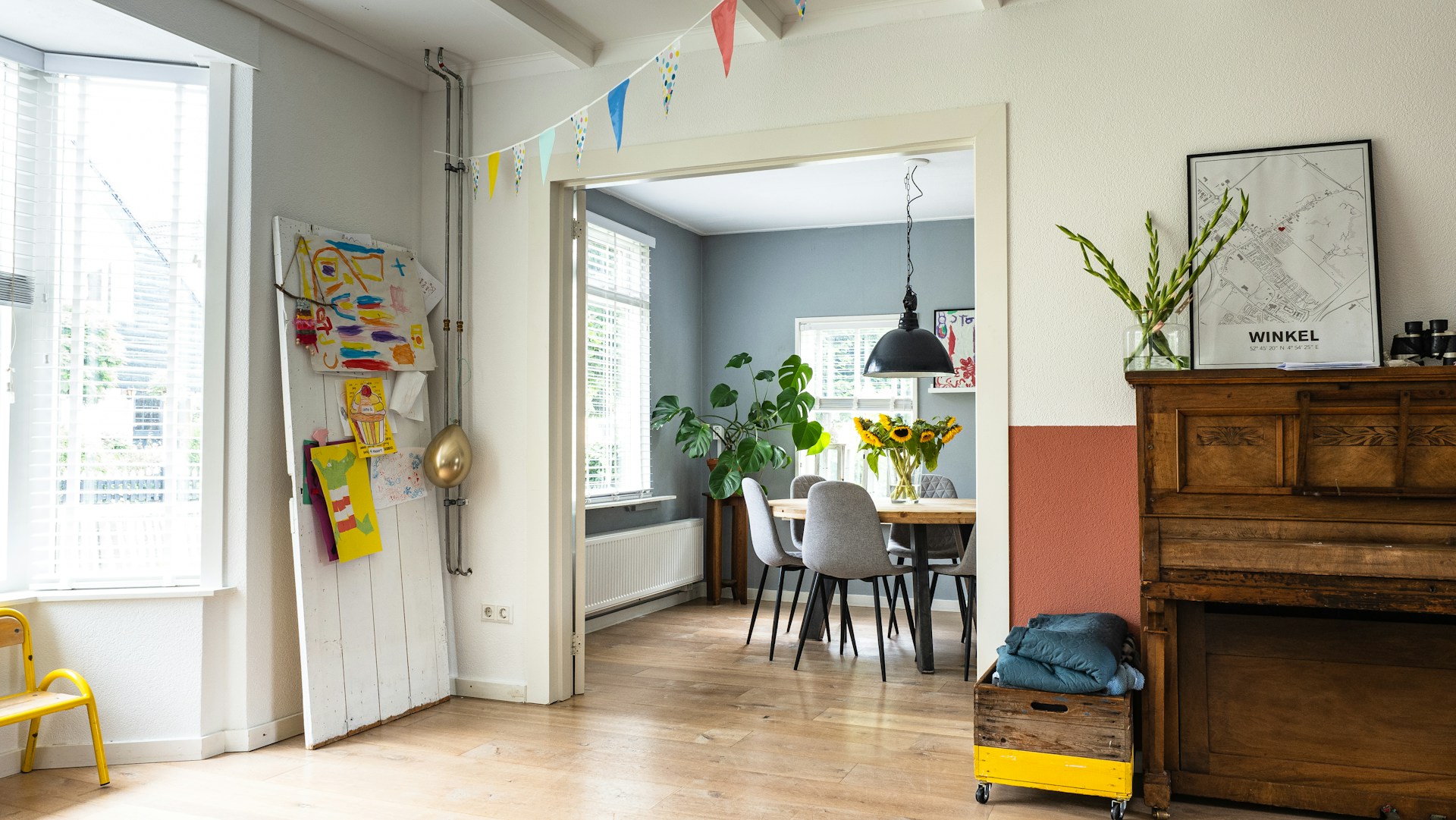
This colorful storage bench is perfect for a quick cleanup of living room toys while also providing extra seating in small spaces.
3. Use pictures for young children
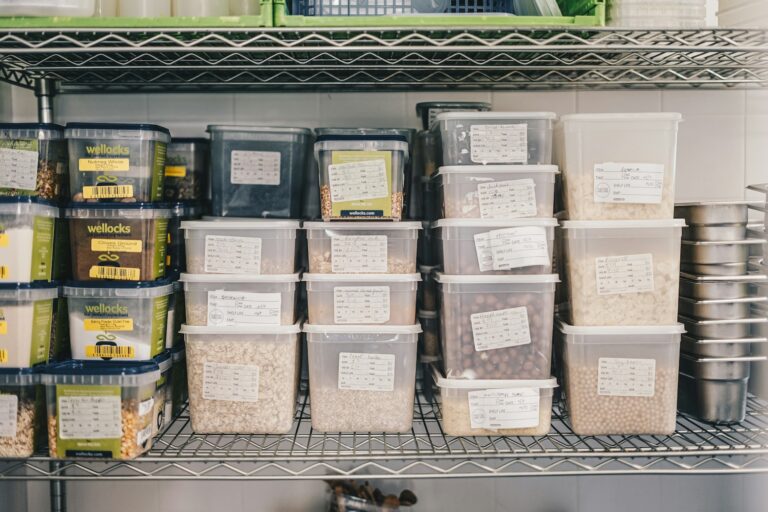
For pre-readers, add picture labels to bins so they know where things go. Take photos of the toys that belong in each bin and tape them to the front.
A label maker is worth its weight in gold for creating consistent, clear labels throughout your home 🏠
4. The One-Touch Rule
Teach everyone in the family the “one-touch rule”: if you pick something up, you either put it where it belongs or get rid of it. No putting it down “for now.”
This prevents the shuffling of items from one surface to another without ever reaching their proper home.
Making Room in Small Spaces

When square footage is limited, vertical space becomes your best friend. Look up, not out, for storage solutions.
Wall-mounted shelving, over-door organizers, and under-bed storage containers can triple your storage without taking up valuable floor space.
The back of doors is prime real estate in small homes. Over-door organizers can hold everything from shoes to cleaning supplies to art materials 🎨
For kids’ rooms, loft beds with desks or play areas underneath maximize every inch of space.
Remember that in small spaces, furniture should always do double duty. Coffee tables with storage, ottomans that hold toys, and beds with drawers underneath are worth the investment 💸
The Payoff: More Than Just a Clean Home
Implementing these systems has given our family so much more than a tidy apartment. It’s given us:
- More quality time together (less time spent cleaning means more time for fun)
- Less stress and fewer arguments about messes
- Kids who are learning responsibility and life skills
- A calm environment where we can actually relax 🧘♂️
The best organization system is one that your family will actually use. It might not look like the homes in magazines, but if it works for your real life with real kids and real pets, that’s what matters.
Keeping shared spaces tidy with kids isn’t about having perfect, Instagram-worthy rooms. It’s about creating simple systems that make tidying up a natural part of your day instead of an overwhelming mountain to climb. ⛰️
Start with the 10-Minute Reset tonight. I bet you’ll be amazed at how much your home—and your family dynamics—transform when everyone pitches in for just a few minutes each day.