Table of Contents
You know the feeling. You open the hall closet and an avalanche of random stuff comes tumbling out 🧸
If that’s happened to you in recent times, you’re in dire need of some “organizing.” I’ve been there, and in this article, I’ll share what worked for me.
One word: “labeling.”
This changed everything. Not just any labels—a whole “labeling system” that finally got everyone on board with keeping our shared spaces tidy. And it stuck!
When you’re sharing limited space with multiple people (and pets!), organization isn’t just nice—it’s necessary for survival. Trust me on this one.
So let’s talk about how labels can transform your chaotic shared spaces into functional, peaceful areas that stay that way. For real this time.
Why Most Organization Systems Fail
Be honest. How many times have you organized a space only to find it completely wrecked a week later? 🤦♀️
I spent years in this cycle. Organize on Sunday, chaos by Thursday, repeat the next weekend.
The problem? Most organization systems are built by one person (usually the household’s designated “neat freak”) for everyone else.
They don’t account for how other people naturally function or what makes sense to them.
Enter labels—the universal language of organization.
Good labeling systems work because they remove the guesswork. They tell everyone exactly where things belong without requiring a detailed explanation or perfect memory ✅
Creating a Labeling System That Actually Works
The key to a successful labeling system? Making it make sense to everyone who uses the space.
Here’s my foolproof method:
Step 1: Start With Categories That Make Sense to Everyone

Before you buy a single label, sit down with your household and figure out categories that make sense to everyone.
Kids especially need to be part of this conversation.
If your five-year-old thinks toy cars should be separate from other vehicles, respect that logic. It’s more important that the system makes sense to them than following some organization guru’s rules.
My son insisted that stuffed dinosaurs needed their own bin away from other stuffed animals.
Weird? Maybe. But he always puts them away correctly, so I call that a win 🏆
Step 2: Choose the Right Labeling Tools for Your Space

Not all labels are created equal. Your choice depends on:
- Who uses the space (kids, adults, guests)
- The items being organized
- The containers you’re using 🫙
- Your aesthetic preferences
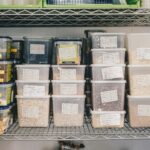
For young kids or visual learners, picture labels work best. We use a combination of words and pictures on most of our bins.
For pantry items in clear containers, a simple label maker with large text works great.
For frequently changing systems, chalkboard or dry-erase labels offer flexibility 🏷️
This label maker changed everything for us when we reorganized our kitchen cabinets. Small enough to fit in a drawer but powerful enough for everyday use.
Step 3: Be Specific (But Not Too Specific)

Labels need to hit the sweet spot between too vague and too specific.
“Stuff” is too vague. “Blue LEGOs from the Star Wars Death Star set” is too specific.
“LEGOs” is just right for most households 🏡
For shared bathroom spaces, “Tom’s Morning Routine” works better than individually labeling each product. It allows the category to evolve without redoing labels.
We created a homework caddy with sections labeled “Writing Tools,” “Sticky Notes,” and “Scissors & Tape.” Specific enough to be useful, broad enough to adapt.
Step 4: Make Labels Visually Consistent

A cohesive look makes your organization system feel intentional rather than cobbled together.
Pick a consistent:
- Font
- Color scheme 🎨
- Label size
- Label placement
This doesn’t mean everything needs to match perfectly. Just aim for a coordinated look that’s easy on the eyes 😍
We use black text on white labels for everyday items, and add a green dot for things that need to be restocked when low. Simple but effective.
Step 5: Consider Temporary vs Permanent Needs

Some areas need permanent, durable labels. Others benefit from flexibility.
For kids’ spaces that evolve quickly, magnetic or removable labels make more sense than permanent ones.
For long-term storage, invest in waterproof, fade-resistant labels that will stand the test of time 🕰️
These removable hanging tags are perfect for kids’ closets since their clothing categories change as they grow.
Strategic Places That Need Labels ASAP
Some areas benefit from labeling more than others. If you’re just starting out, focus on these high-impact zones:
1. Entryway Organization
The entryway sets the tone for your entire home. When it’s cluttered, everything feels chaotic.
Label hooks with each family member’s name (or picture for non-readers).
Create labeled bins for seasonal items like hats, gloves, and sunscreen 🧴
Add a labeled “in/out” box for items that need to leave the house on specific days.
Our entryway bench has labeled cubbies underneath—each family member gets one for their shoes and one for their bags/gear. Game-changer! 🤯
2. Kitchen Chaos Tamers
Label pantry shelves, not just containers, so items return to the right spot.
Create labeled zones in the refrigerator to prevent food waste.
Add labels inside cabinets to mark where serving dishes, baking sheets, and other items belong.
We added labeled dividers to our utensil drawer, and suddenly everyone could unload the dishwasher correctly. Magic! 🪄
3. Bathroom Bliss
Create labeled bins for each family member’s personal items.
Label shelves in the linen closet by sheet/towel size.
Add waterproof labels to shower caddies.
Our under-sink storage has labeled bins for first aid ⛑️, hair tools, and cleaning supplies. No more digging through everything to find nail clippers.
4. Kid Zones That Stay Clean(ish)
Picture labels work wonders for toy organization. Even toddlers can match a toy to the picture on its bin.
Color-code by type of toy, then label each bin specifically 🪀
Label shelves at kid height so they can read them during cleanup time.
My stepdaughter’s art supplies are divided into labeled bins: “Drawing,” “Painting,” “Stickers,” and the ever-popular “Random Crafty Bits.”
5. Home Office/Homework Areas
Label cables with what they connect to.
Create labeled file folders for different types of paperwork.
Add labeled bins for different types of office supplies 📎
Our family command center has labeled folders for school forms, bills, and reference materials. No more messy piles! 📚
A Home Where Everything Has Its Place
Using labels strategically transforms more than just your physical space—it changes how your home feels and functions.
When everyone knows where things belong, cleanup becomes automatic rather than argumentative.
When systems make sense to all users, they actually get followed.
When visual noise decreases, mental clarity increases 🧘♀️
So grab that label maker, gather your household, and create systems that work for everyone. Your future self (and sanity) will thank you!
The right labels don’t just organize your stuff—they organize your life. And in shared spaces, that makes all the difference between constant chaos and lasting order.